Rich Media banners are a more engaging format than standard creatives. They can include several layers of content within one placement: video, game mechanics, interactive elements, animation, and more.
The main advantage is not just a click, but interaction inside the banner. This makes the format especially useful for engagement and awareness campaigns.
In this article, we explain what interactive banners can offer brands, what mechanics can be used for promotion, and share the experience of the BYYD mobile programmatic platform.
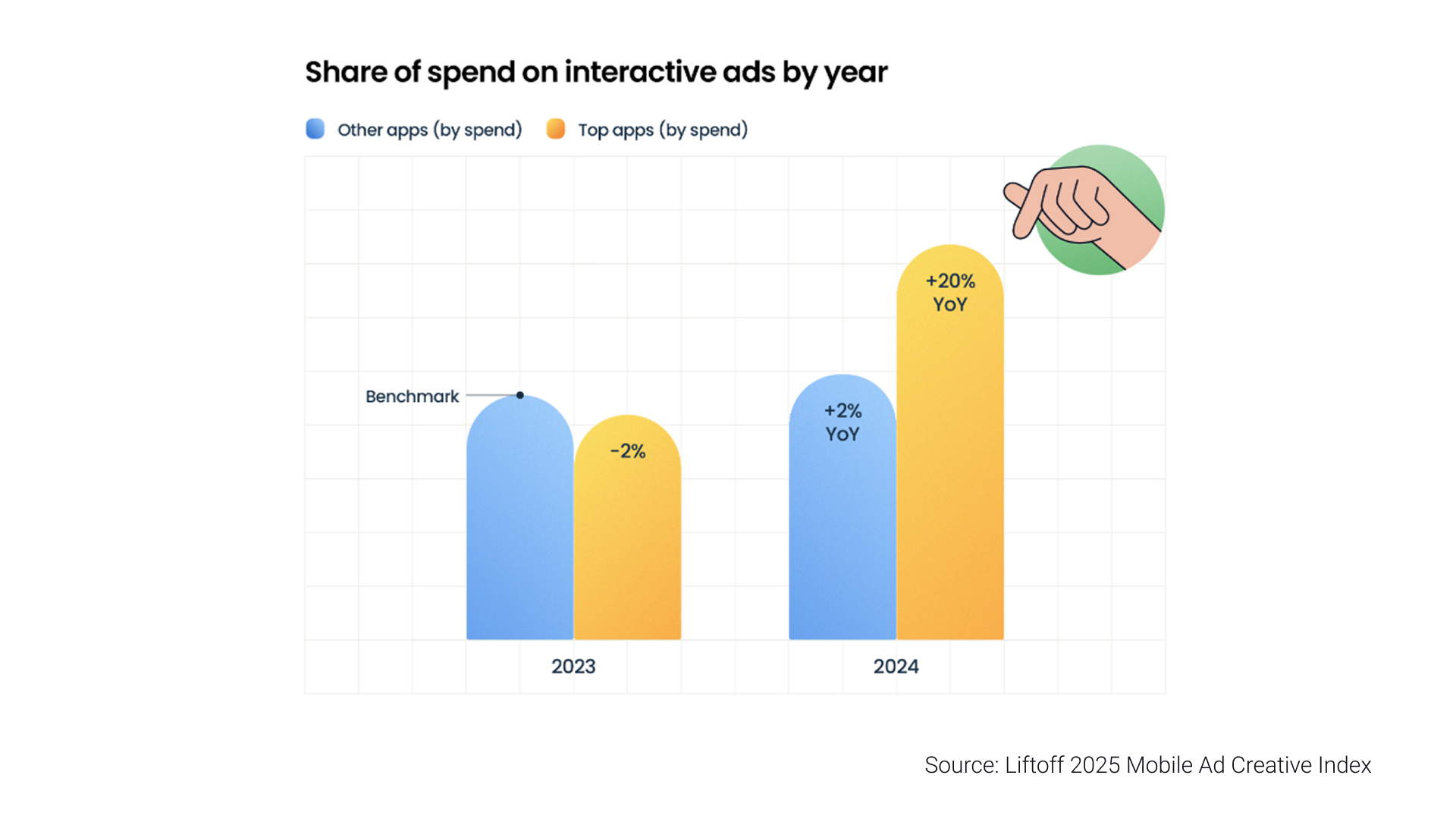
According to the Liftoff 2025 Mobile Ad Creative Index, investments in interactive advertising formats grew by 20% year-on-year back in 2024. This trend continues to strengthen: advertisers are increasingly choosing mechanics that do not simply show a message, but involve users in interaction with the brand.
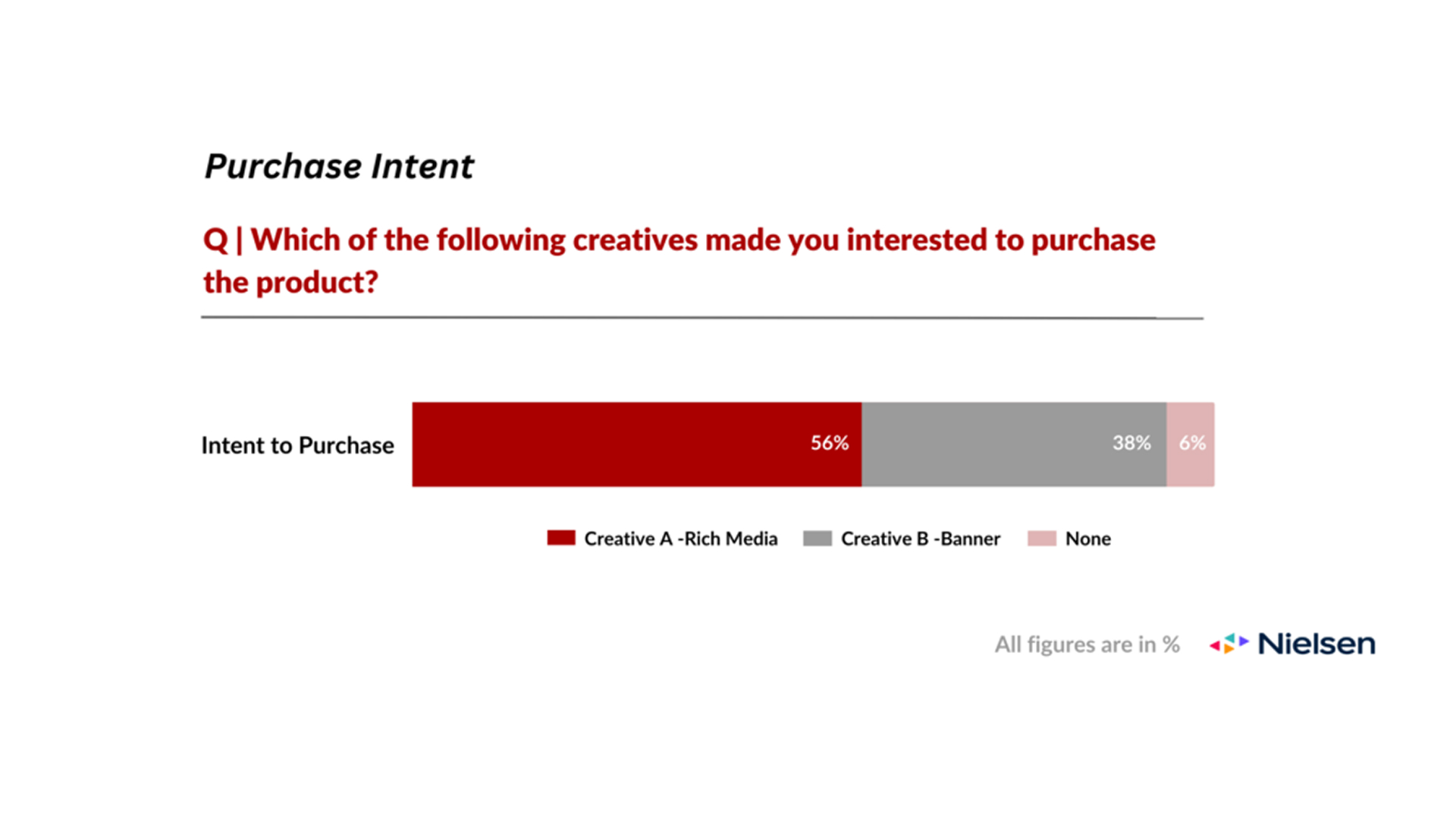
Interactive advertising formats can significantly increase purchase interest. According to a Nielsen study, around two-thirds of respondents were ready to click on an ad with enhanced features and interact with it. For a standard banner, this figure was 38%.
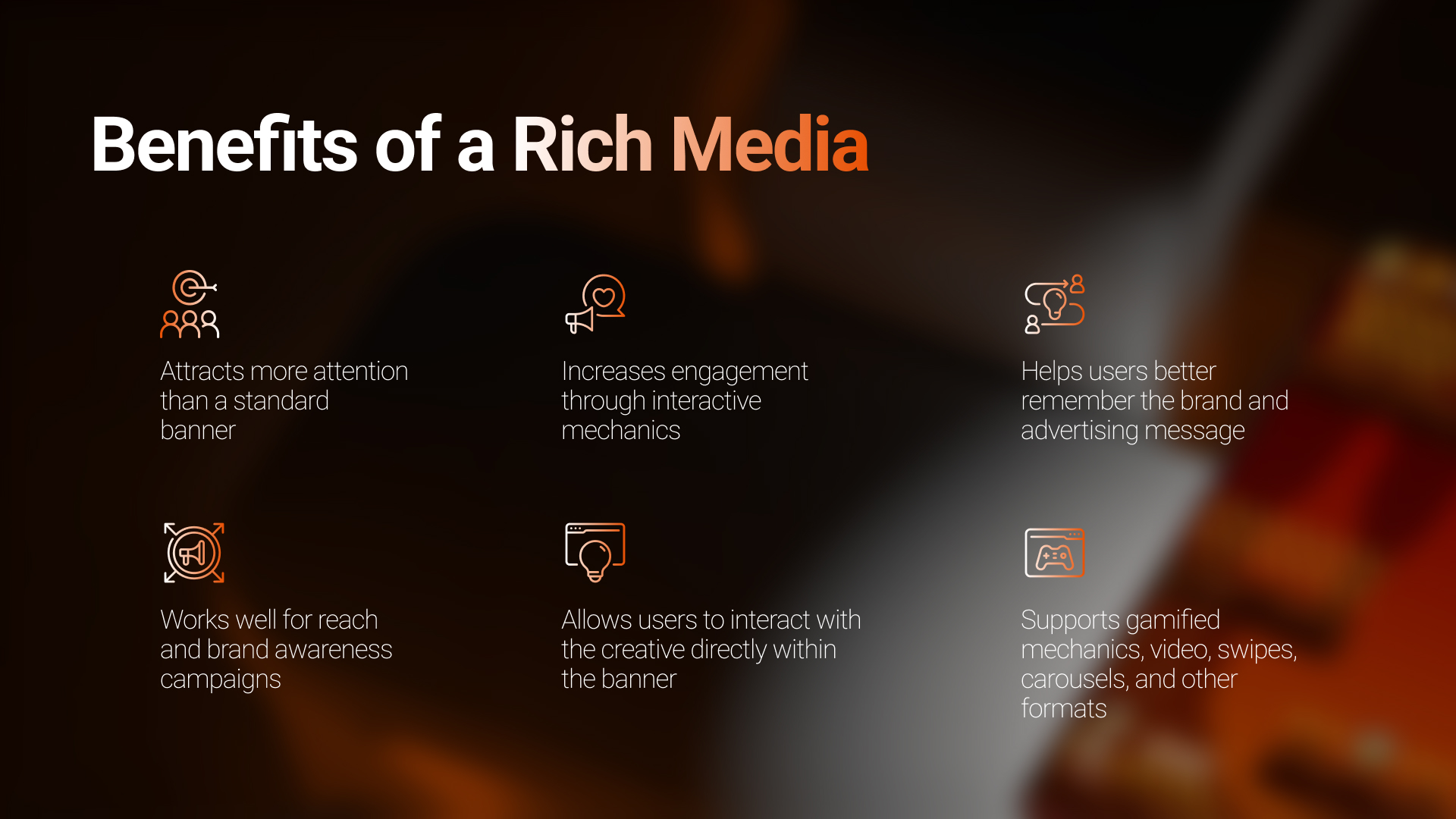
Rich Media banners help make an advertising message more noticeable and expressive. Unlike a regular static ad, they can include video, sound, motion, expandable elements, a gallery, a survey, a mini-game, or another interaction scenario. As a result, the user takes action directly inside the ad itself.
First, one of the main advantages of this solution is higher engagement. When an ad offers the user an action, it holds attention longer and reveals the advertising idea more effectively. This is especially important in the mobile environment, where users quickly switch between apps and rarely spend much time on standard messages.
Second, another advantage is the ability to tell users more about a product, service, or offer without sending them to a separate page. Within one ad, it is possible to show several advantages, different product categories, a video overview, promotion terms, or a product selection.
As a result, a multimedia banner can increase purchase interest.
In addition, this type of banner improves product awareness. The longer users interact with the banner, the more likely they are to remember the brand.
Thus, a multimedia banner provides several advantages at once:
That is why this type of advertising is especially useful for campaigns where it is important not only to reach the audience, but also to generate a meaningful response.
The BYYD design team develops multimedia banners individually for each campaign. The mechanic is selected based on the brand’s objectives, product specifics, target audience, and the desired user action. This can be simple engagement through a screen tap, a game scenario, a choice of options, viewing several cards, or moving to a special offer.
Thanks to this approach, the banner becomes not just an advertising message, but a full-fledged interactive tool. Below are the main mechanics that can be used in multimedia banners:
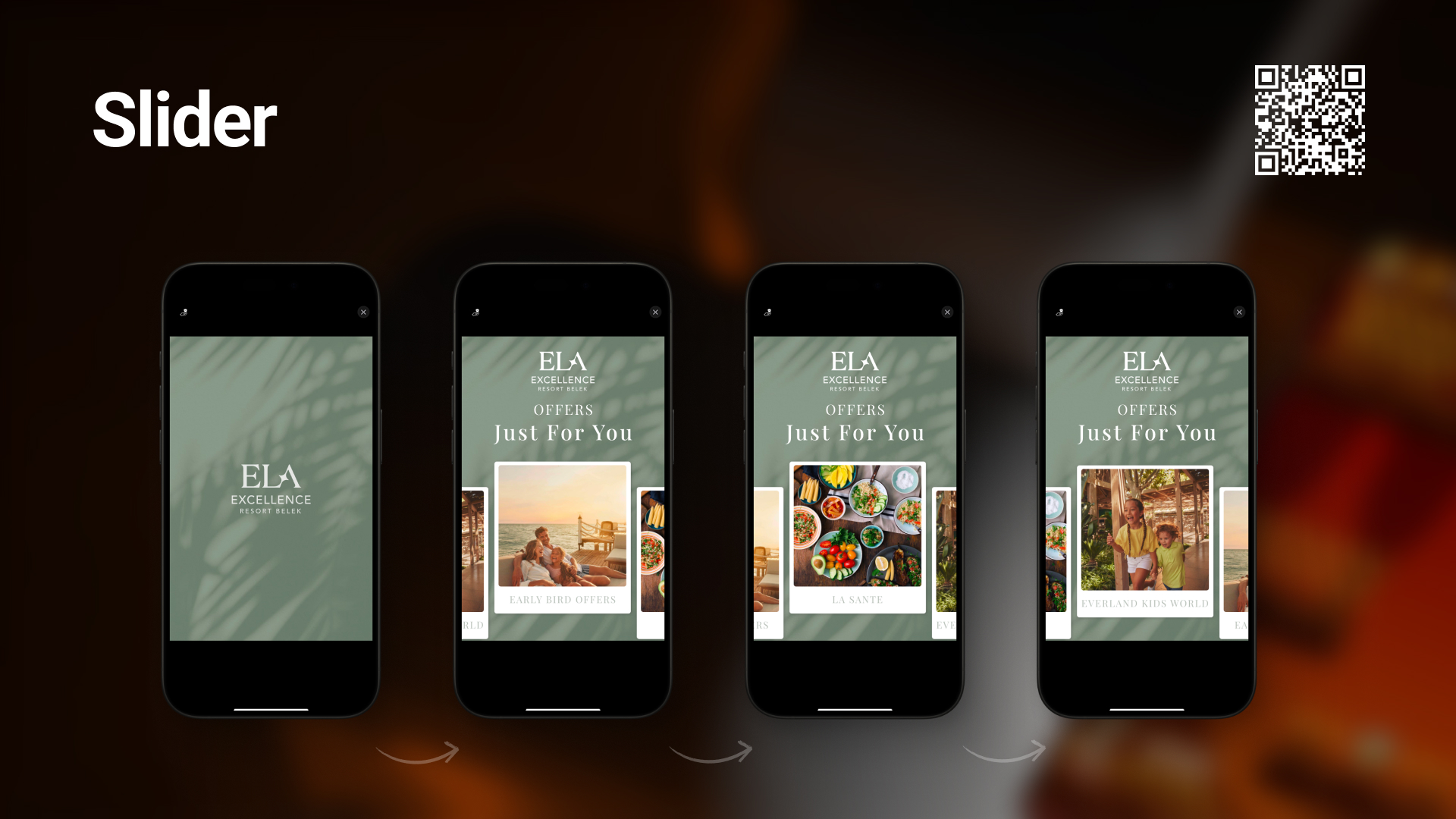
Slider
This mechanic lets users swipe through several screens inside the banner and explore the offer step by step. It works well for showcasing multiple products, benefits, destinations, services, or visual messages.
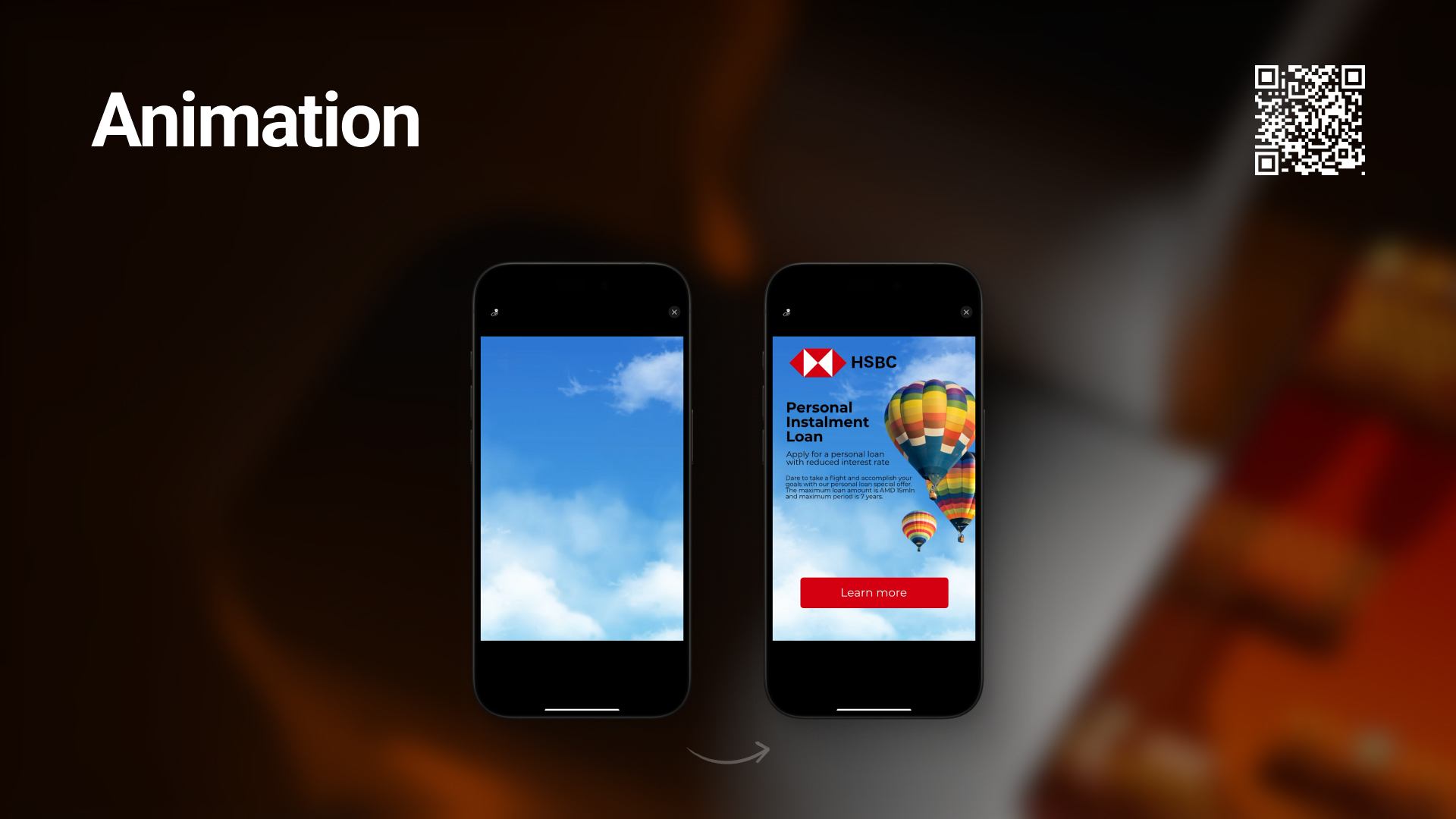
Animation
Animation adds movement to the banner and helps make the message more dynamic and noticeable. It is useful when the goal is to attract attention quickly and guide the user through the key idea.
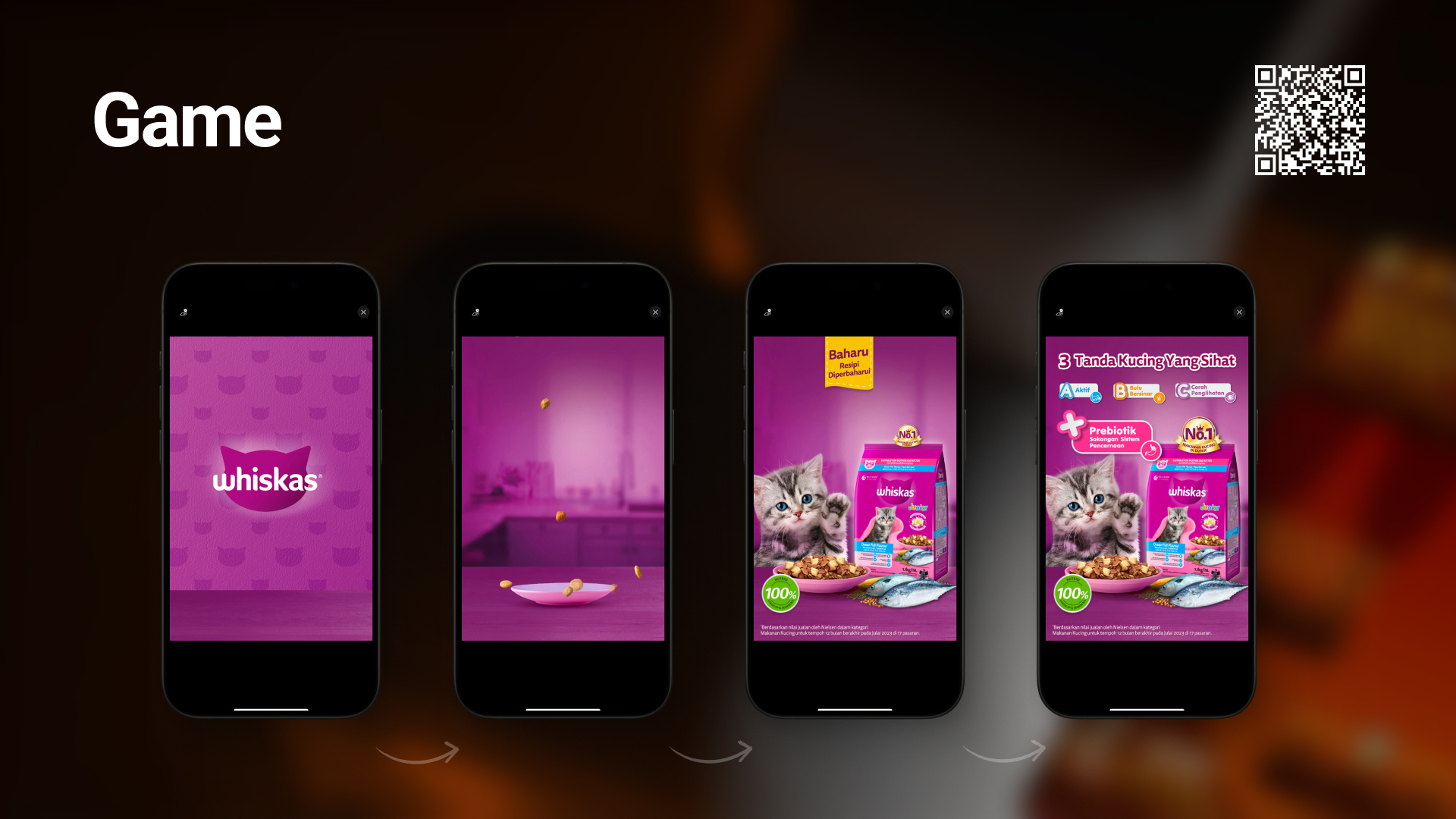
Game
A game mechanic invites the user to complete a simple task, interact with characters, collect items, or reach a result. It helps increase engagement and turns the ad contact into a more memorable experience.
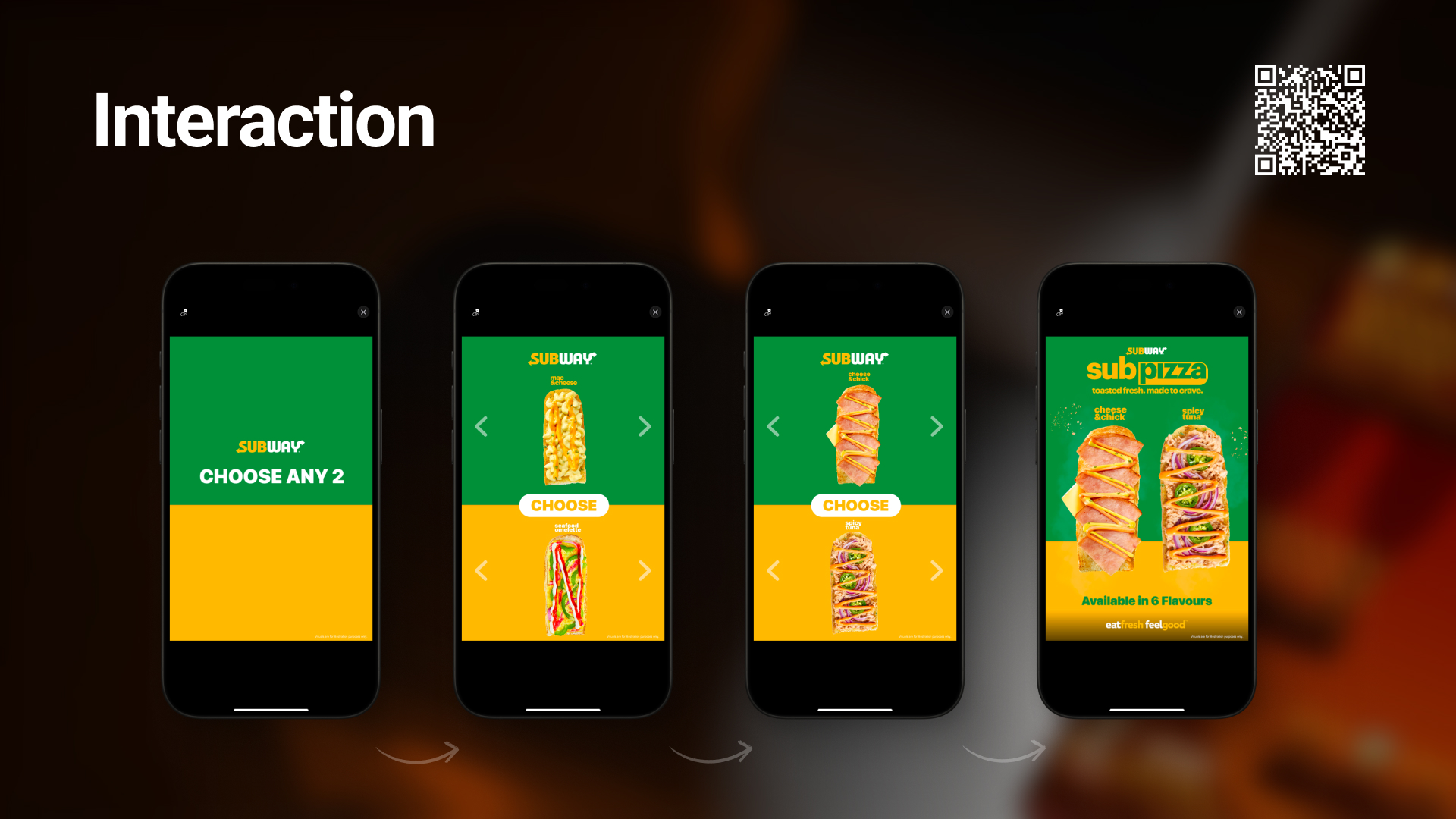
Interaction
This mechanic encourages users to take action inside the banner: tap, swipe, choose, open elements, or explore additional content. It makes the ad more engaging and gives users a more active role in the communication.
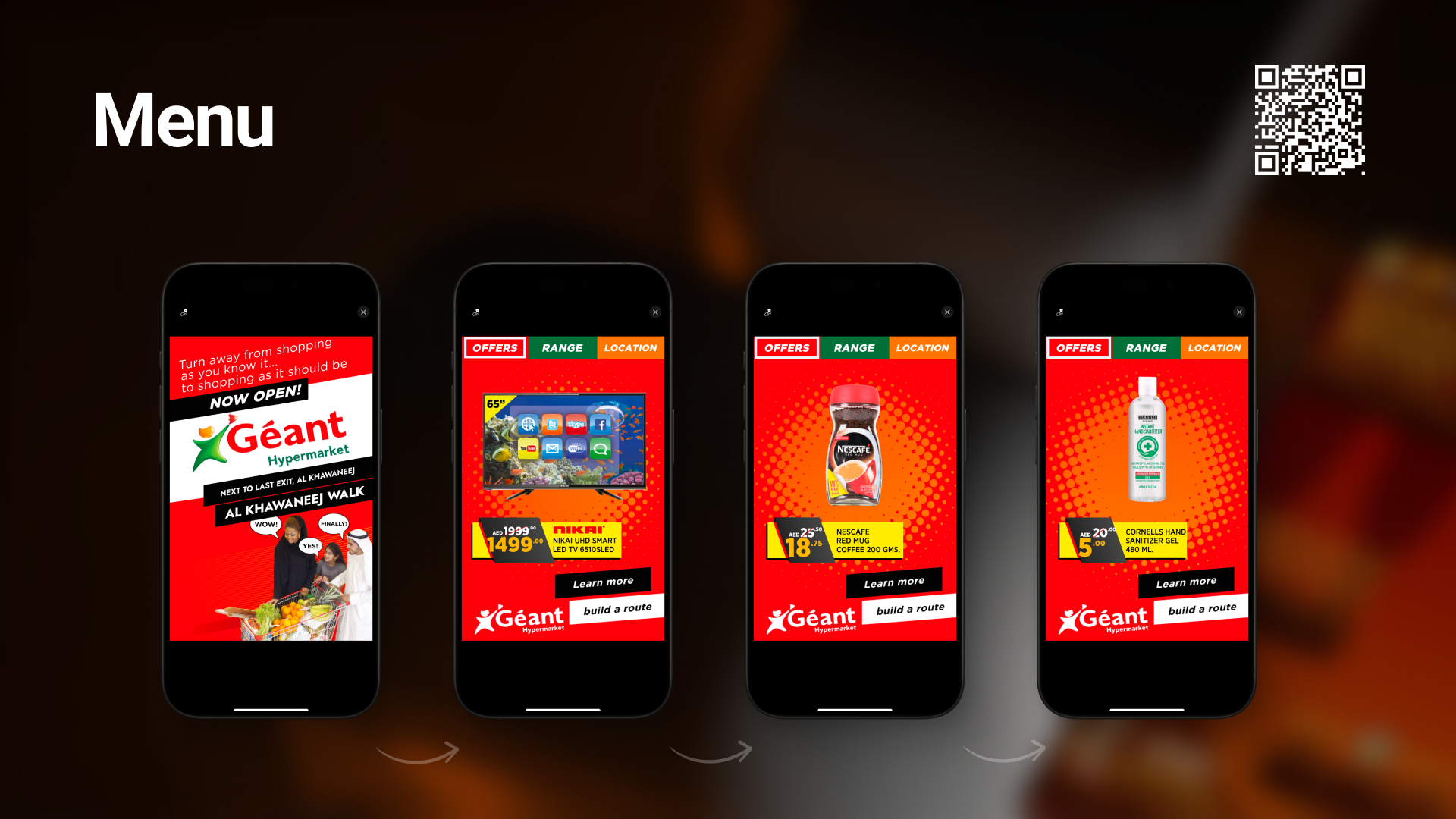
Menu
A menu mechanic allows users to choose between several sections, products, categories, or offers inside one banner. It is useful for brands that need to present a wider range of options without overloading the first screen.
Dynamic
A dynamic banner can adapt its content depending on the user, location, time, offer, or campaign scenario. This helps make the message more relevant and closer to the user’s current context.
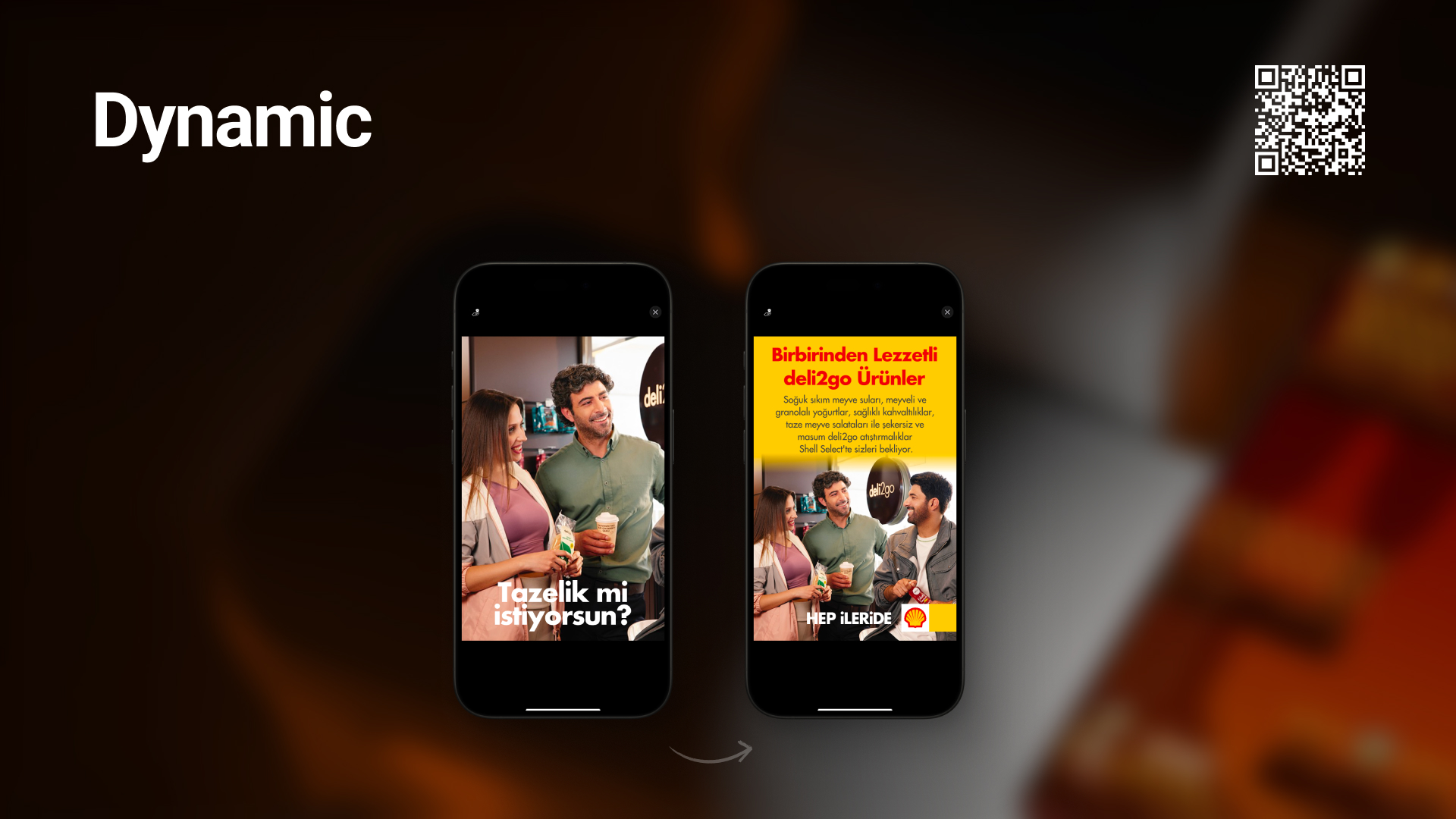
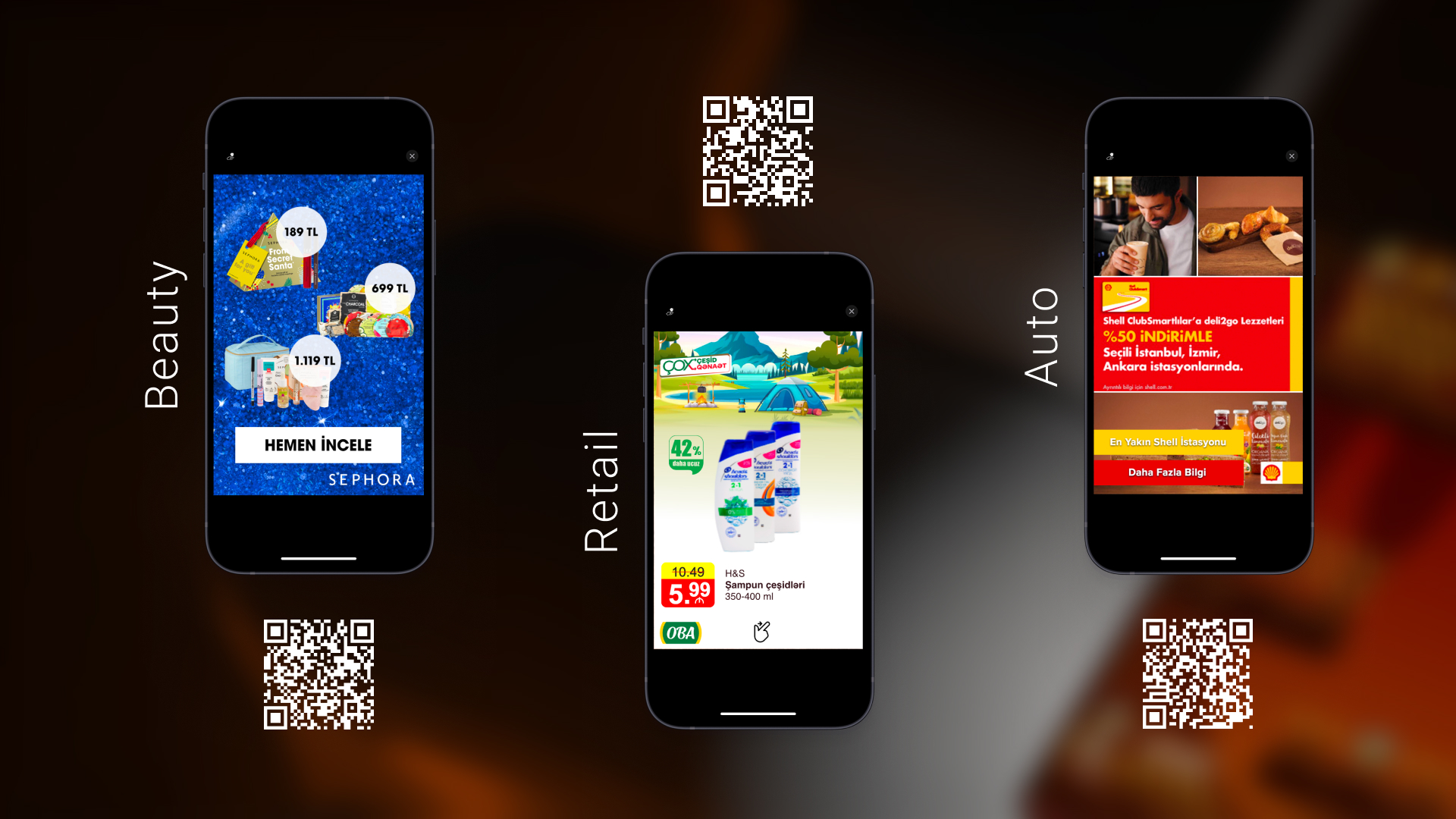
The choice of a Rich Media banner mechanic also depends on the product category. For example, simple and quick interaction scenarios, such as choice, scratch, or game mechanics, often work well for fast-moving consumer goods.
For the automotive, financial, travel, or premium segments, it is important to explain the advantages in more detail, so sliders, menus, and before/after comparisons are more suitable.
Rich Media banners help adapt advertising not only to the visual style of the brand, but also to audience behavior within a specific segment.
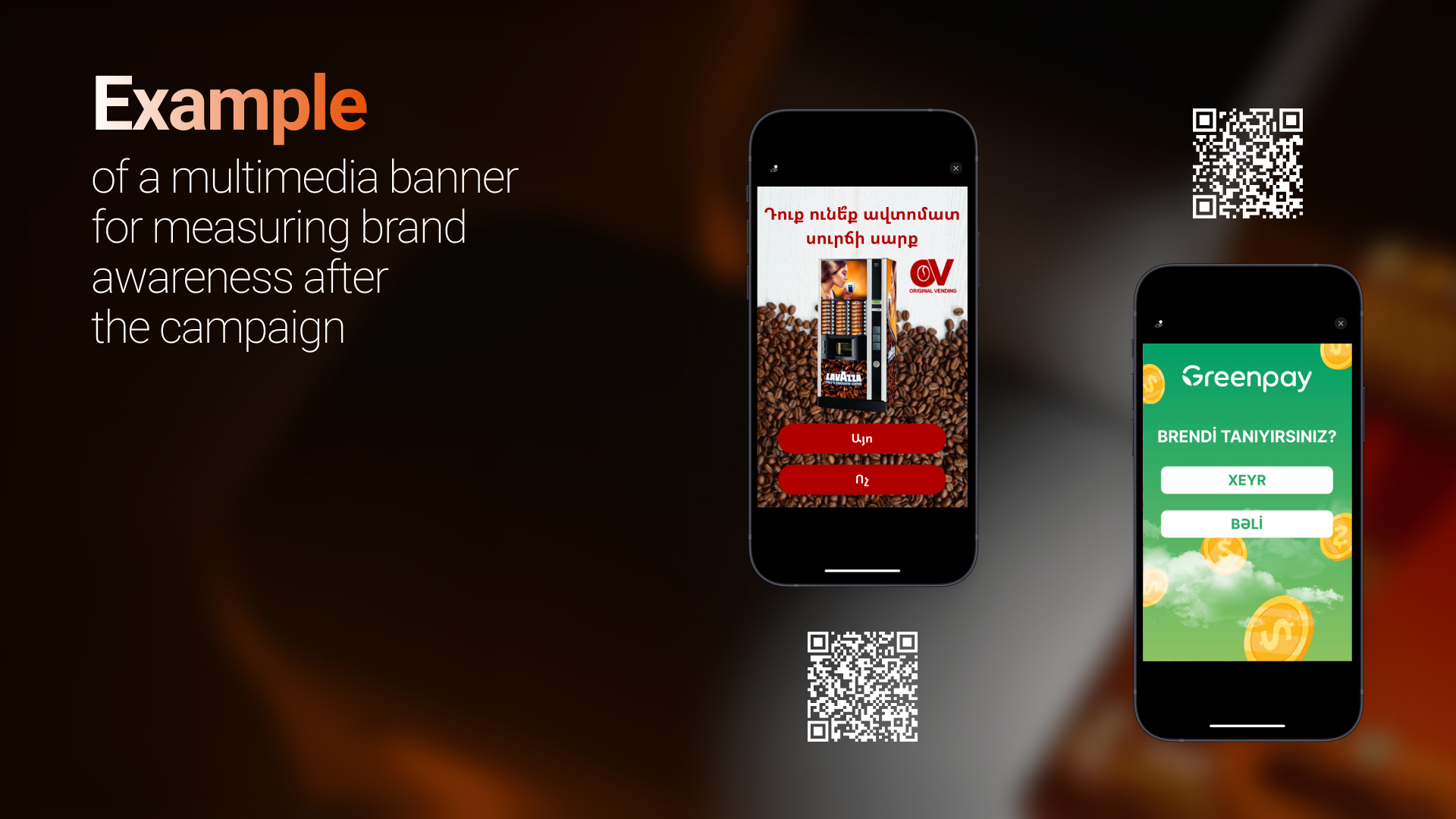
An interactive banner can also be used in Brand Lift studies, which evaluate brand awareness after a campaign. This approach helps understand how advertising affects brand perception.
Such a study makes it possible to measure changes in ad recall, product interest, purchase intent, or willingness to consider the brand among other options.
A Rich Media banner is well suited for this format. Inside the ad, it is possible not only to show a product or promotion, but also to include a question with answer options. Thanks to this, the study becomes a more natural part of the mobile experience.
— What is a multimedia banner?
Rich Media is an advertising format with interactive elements: video, animation, a game, a slider, a survey, or another interaction scenario. Unlike a regular banner, it does not only show a message, but also involves the user in action inside the ad.
— What objectives is a multimedia banner suitable for?
This format is suitable for campaigns where it is important to attract attention, increase awareness, explain a product in more detail, or strengthen purchase interest. A multimedia banner is especially useful when a brand needs not only to gain reach, but also to encourage meaningful interaction with the ad.
— How to choose a mechanic for a multimedia banner?
The choice of mechanic depends on the product category, campaign goal, and target audience behavior. For example, simple mechanics such as a game, scratch, or random choice are suitable for promotions and fast-moving consumer goods, while a slider, menu, or before/after comparison works better for the financial, travel, automotive, or premium segments.
For over 11 years, the BYYD team has been working with mobile advertising and creating banners designed for real user engagement. We help brands capture audience attention and achieve business objectives through proven mechanics.
Check out our case studies and send us an email – let’s launch your next campaign together.
Found this helpful? Share it with your friends and colleagues!
For consultations and partnership inquiries:
'/%3E%3C/svg%3E)
'/%3E%3Cpath%20fill='%23b2b2b2'%20d='M241%20382q0%2016%2017%2026%2017%2011%2042%2011t42-11q16-11%2017-26V269H241'/%3E%3Cpath%20fill='%239f7e00'%20d='M241%20379q0%2014%208%2023%209%209%2021%209%2014%200%2021-9%209-9%209-23V269h-59'/%3E%3Cpath%20d='M241%20339v-70h59v110q0%2014-9%2023l-6%205v-68h-15v72q-8%200-14-4v-68zm59%2040c0%2022%2015%2032%2029%2032%2021%200%2030-18%2030-32v-40h-59'/%3E%3Cpath%20fill='%239f7e00'%20d='M266%20277v5h2v12h-3v-5h2v-5h-9v5h2v5h-4v9h3v18h-5v10h34v-10h-5v-18h3v-9h-4v-5h2v-5h-9v5h2v5h-3v-12h2v-5zm42%20101q0%2010%206%2017%206%206%2015%207%2010-1%2016-7%206-7%206-17v-29h-43'/%3E%3Ccircle%20fill='%230044ad'%20cx='329.5'%20cy='372'%20r='6'/%3E%3Cellipse%20fill='%230044ad'%20cx='300'%20cy='340'%20rx='16'%20ry='21'/%3E%3C/svg%3E)

'%3E%3Cpath%20stroke='%23000'%20stroke-width='4'%20d='m-35-37-13%2020m5%203%2013-20m5%203-13%2020m63%2042%206-9m1-2%206-9m5%203-6%209m-1%202-6%209m5%203%206-9m1-2%206-9m-96%200%2013%2020m5-3-6-9m-1-2-6-9m5-3%2013%2020m63-42-6-9m-1-2-6-9m5-3%2013%2020m5-3-6-9m-1-2-6-9'/%3E%3Ccircle%20r='24'%20fill='%23cd2e3a'/%3E%3Cpath%20fill='%230047a0'%20d='M0%200a12%2012%200%201%201%2020%2013%2024%2024%200%201%201-40-26A12%2012%200%201%200%200%200'/%3E%3C/g%3E%3C/svg%3E)
