The Digital Market in 2026: Key Insights from Sensor Tower
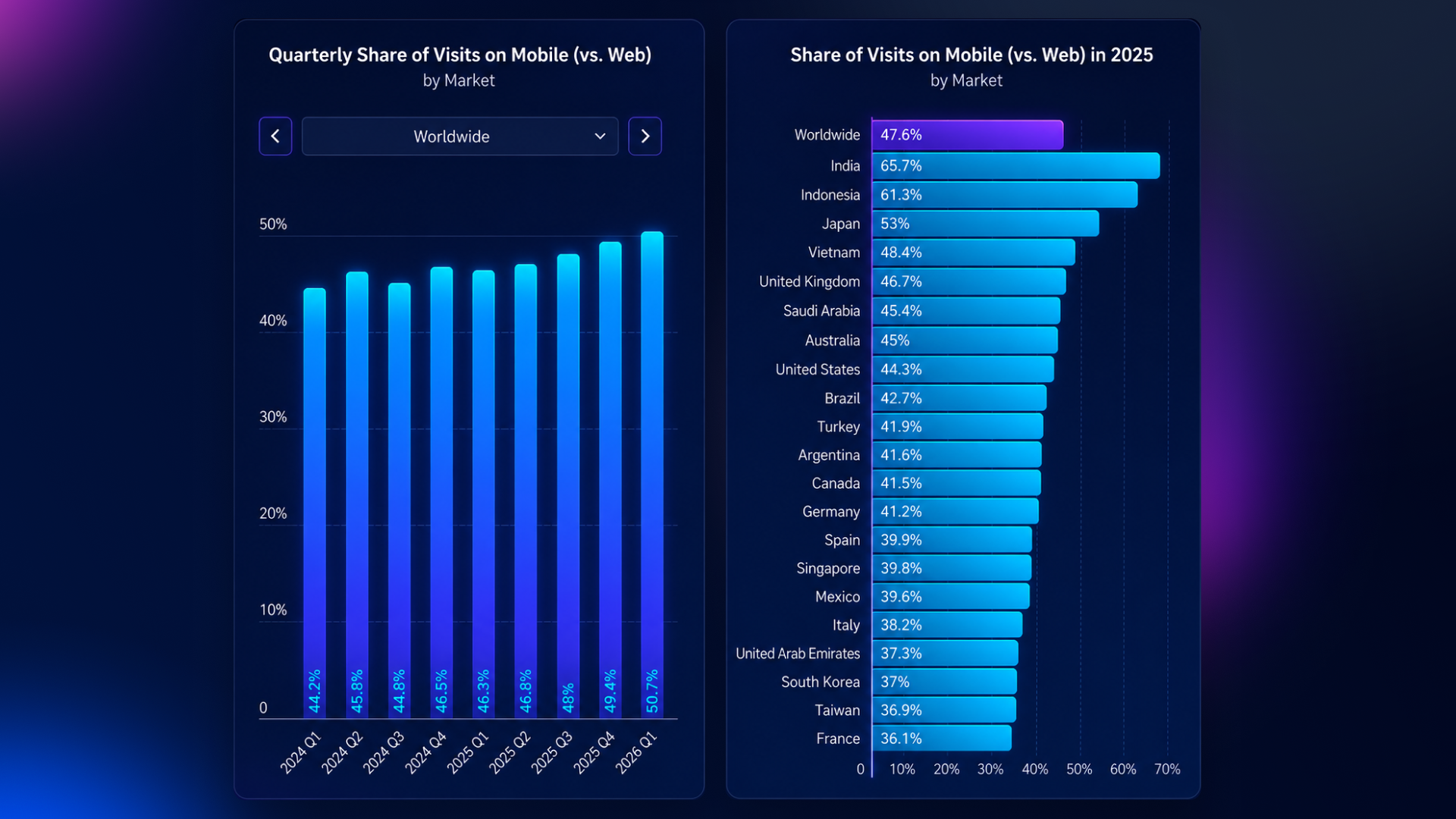
In 2026, the mobile market continues to grow, but its dynamics are becoming more complex. According to Sensor Tower, global revenue from in-app purchases reached $43.5 billion in the first quarter. Mobile devices also accounted for more than half of all web visits worldwide for the first time.
At the same time, download growth is slowing down, while competition for user attention is intensifying. For advertisers, maintaining audience engagement is becoming increasingly important.
We analyze the digital market in 2026 and highlight the key findings from Sensor Tower’s Digital Market Index report. We also look at the main trends observed in the mobile market in the first quarter of 2026 and share recommendations on how to apply these statistics in digital marketing.
In-App Purchase Revenue Grew by 9% Year-on-Year
Global revenue from in-app purchases (IAP) on iOS and Google Play reached $43.5 billion in the first quarter of 2026. This represents a 9% increase.
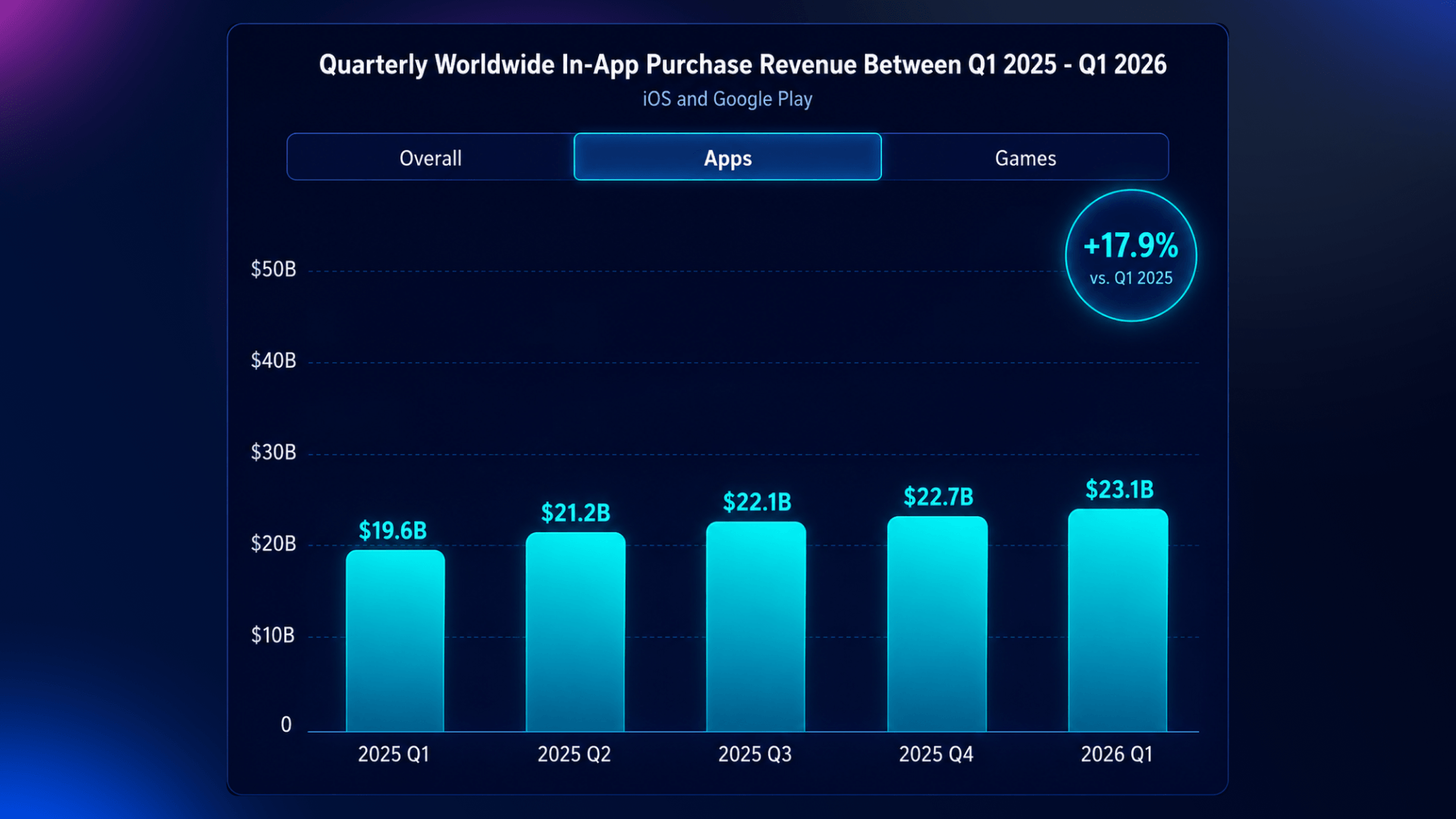
Non-gaming apps made the largest contribution to this growth. Their revenue increased by 18% year-on-year and exceeded $23 billion. In particular, revenue grew from subscriptions in AI apps, utilities, and business applications.
This means that users are willing to pay for a digital product if it solves a specific problem and saves time. Audiences are also ready to maintain long-term relationships with apps if those apps are useful in their everyday lives.
This strengthens the role of mobile advertising not only as a tool for attracting installs, but also as a channel for building interest in paid features. From a monetization perspective, the mobile environment is becoming more mature.
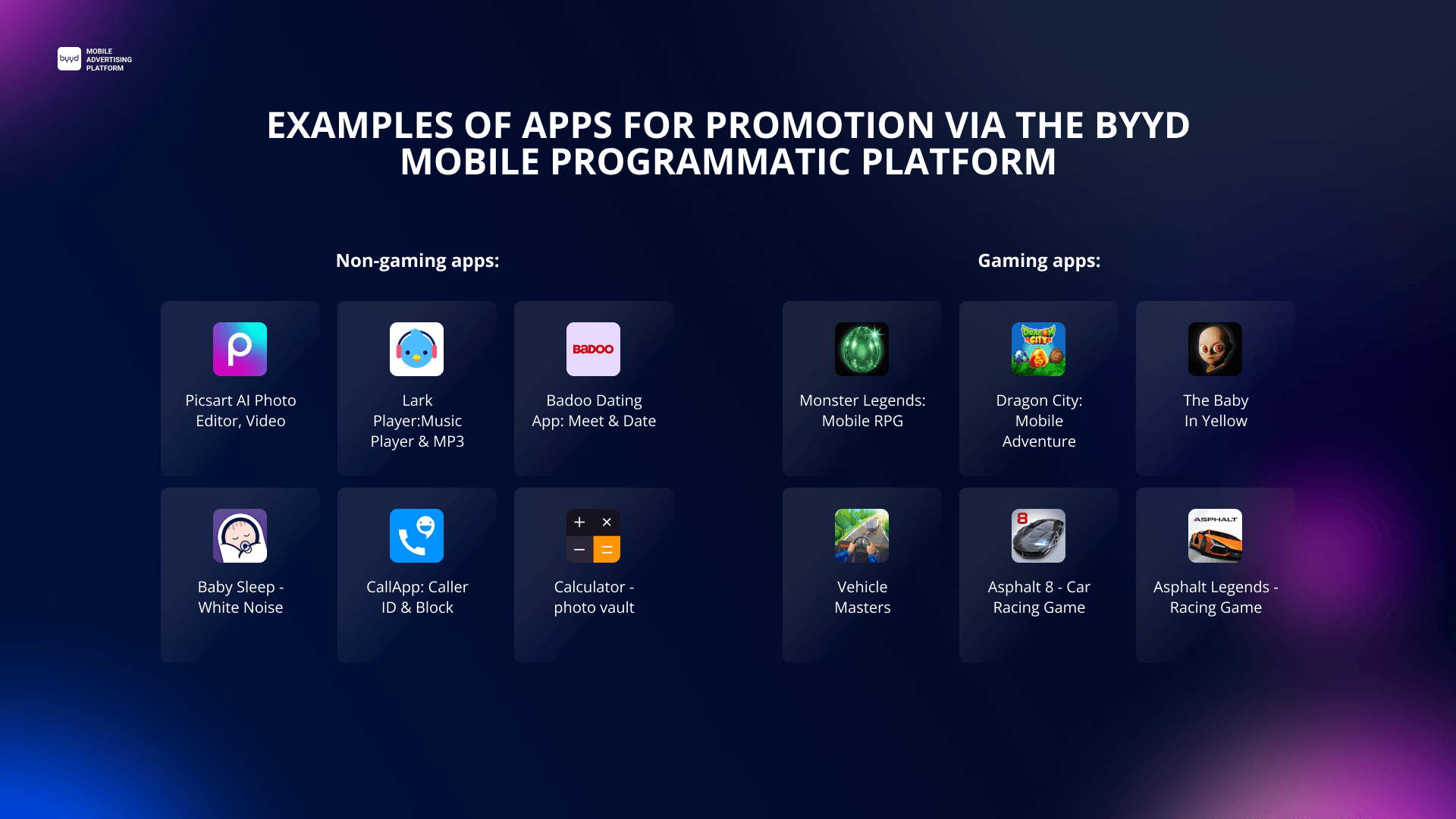
BYYD uses both gaming and non-gaming apps in mobile campaigns. To determine which placements are most effective for a specific brand, digital marketers carry out daily optimization. They exclude apps with low traffic and engagement and replace them with more effective placements.
Google Play Strengthens Its Position in Monetization
Google Play has traditionally received less attention than iOS when it comes to app monetization. The reason is that Android users tend to spend less on average.
However, by the beginning of 2026, Google Play’s year-on-year revenue growth reached 14%. This is twice as high as iOS. As a result, Google Play may deserve more attention from both gaming and non-gaming apps.
Attracting New Users Has Become More Difficult
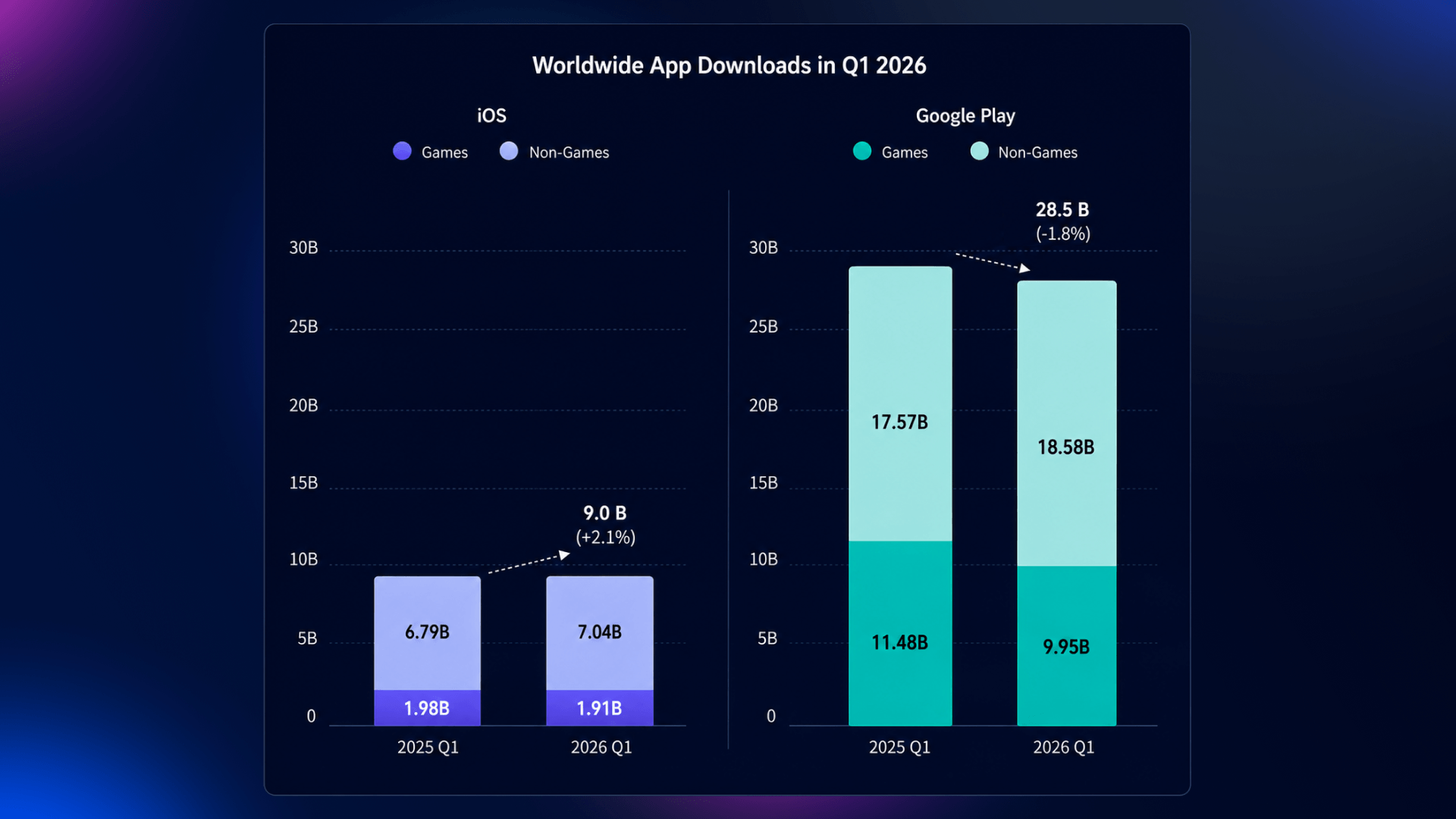
Competition for new downloads remains high, while growth has slowed. Game downloads declined by 12%, reaching their lowest level since the pre-pandemic year of 2019. Genres such as strategy and puzzle games showed the smallest decline in in-app purchase revenue.
At the same time, app downloads grew by 5% in the first quarter of 2026 and reached an all-time high. This growth was largely driven by the development of AI assistants.
As attracting new users becomes more difficult, retaining their engagement and stimulating spending are becoming key priorities.
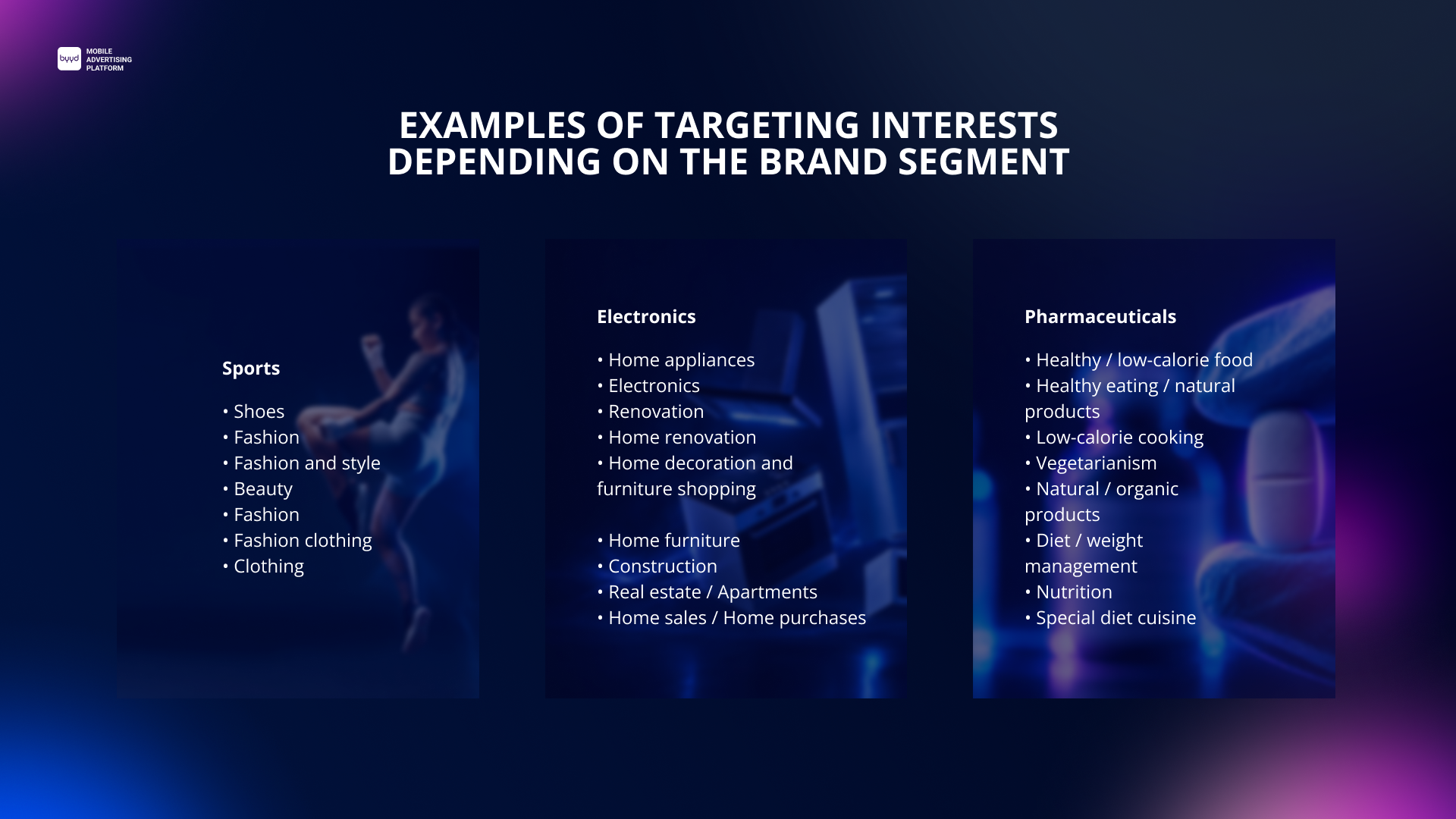
BYYD digital marketers use different types of targeting to reach only the most relevant audience. The more relevant the ad, the higher the chance that the user will watch it until the end and click on the banner.
Traffic Is Moving to Mobile, but Engagement Remains on Desktop
In the first quarter of 2026, mobile devices exceeded 50% of global web visits for the first time. However, desktop still accounts for more than 70% of the time users spend online.
Users are increasingly browsing content from mobile devices. However, for deeper interaction, they still tend to switch to desktop computers and laptops.
The main reasons behind the growth of mobile traffic include:
- Increased activity in markets where mobile devices are the main way to access the internet, such as India and Indonesia.
- A growing share of mobile devices compared to desktop computers across most markets, including the United States. Some of the fastest increases in mobile share were observed in France, Germany, Singapore, and the UAE.
For over 11 years, the BYYD team has been working with mobile advertising and creating banners designed for real user engagement. We help brands capture audience attention and achieve business objectives through proven mechanics.
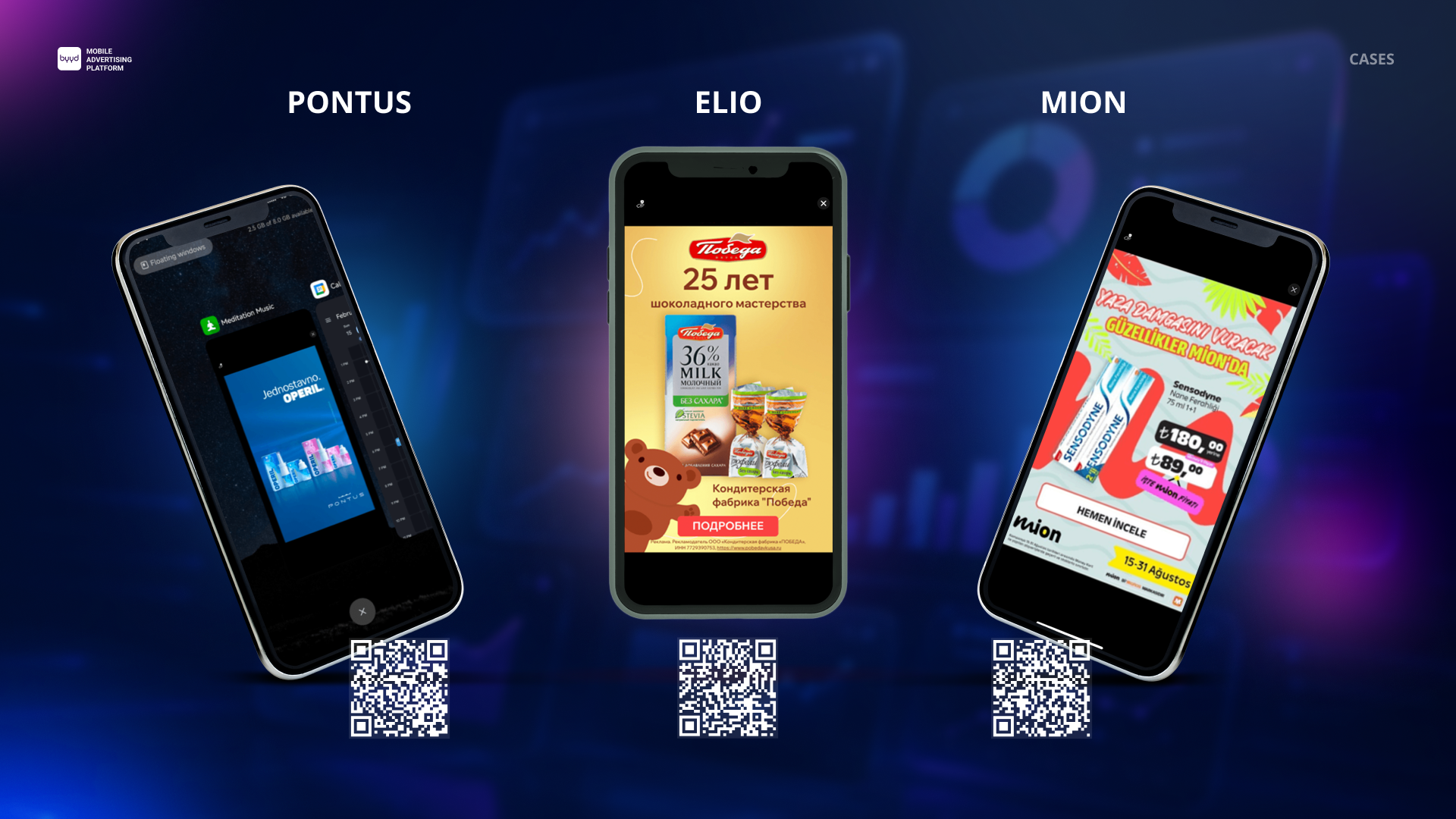
Check out our case studies and send us an email – let’s launch your next campaign together.
Found this helpful? Share it with your friends and colleagues!
For consultations and partnership inquiries:
- Submit a request on our website
- Email us at hello@byyd.me