Digital advertising is growing, and the ways brands reach audiences and allocate budgets are changing with it. Artificial intelligence is becoming a theme in advertising campaigns and influencing app discovery, the holiday season is intensifying competition for shoppers’ attention, and major sporting events are giving brands new opportunities to connect with audiences.
Drawing on Sensor Tower’s State of Digital Advertising 2026 report, this article explores how digital advertising is changing and the role programmatic plays in promotion.
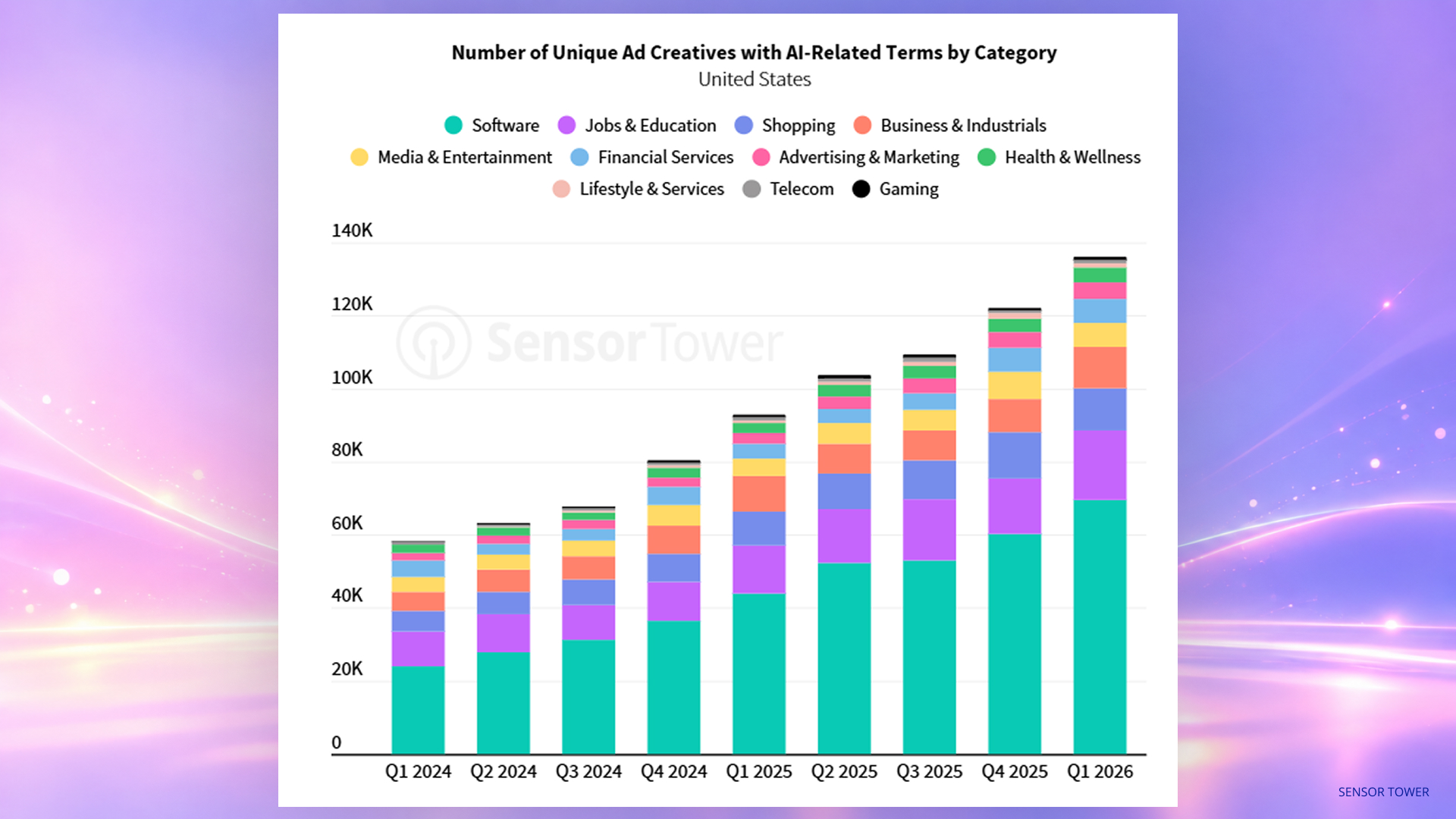
Companies offering generative AI are becoming increasingly active advertisers. Their share of ad spend on campaigns featuring AI-related messaging rose from 5% in 2024 to 18% between January and May 2026. Their share of impressions nearly quadrupled over the same period, reaching 23%.
This reflects AI services’ growing competition for users and brand recognition. Companies are investing both in audience acquisition and in building their own brands.
Financial services also maintain a strong presence in AI-related advertising.
AI is influencing not only advertising content but also how users discover apps. Searches containing the term “AI” are increasingly leading to app downloads.
Between Q1 2024 and Q1 2026, downloads associated with searches containing AI-related terms grew by 651% in Health & Wellness and 536% in Financial Services.
For developers, this creates a new user acquisition opportunity: people are actively looking for AI-powered features, so highlighting these capabilities in app descriptions and marketing materials can help an app stand out.
Sensor Tower’s data shows that AI is changing advertising messages, app discovery, and the ways brands interact with consumers. It gives brands new opportunities to explain product features and attract users who are already interested in AI.
At the same time, it is important to consider the context of each platform and the needs of its audience. In some categories, AI may be a core product feature; in others, it may be an additional capability. Effective communication depends on how clearly a brand explains the technology’s practical value and how precisely it chooses the channel for reaching users.
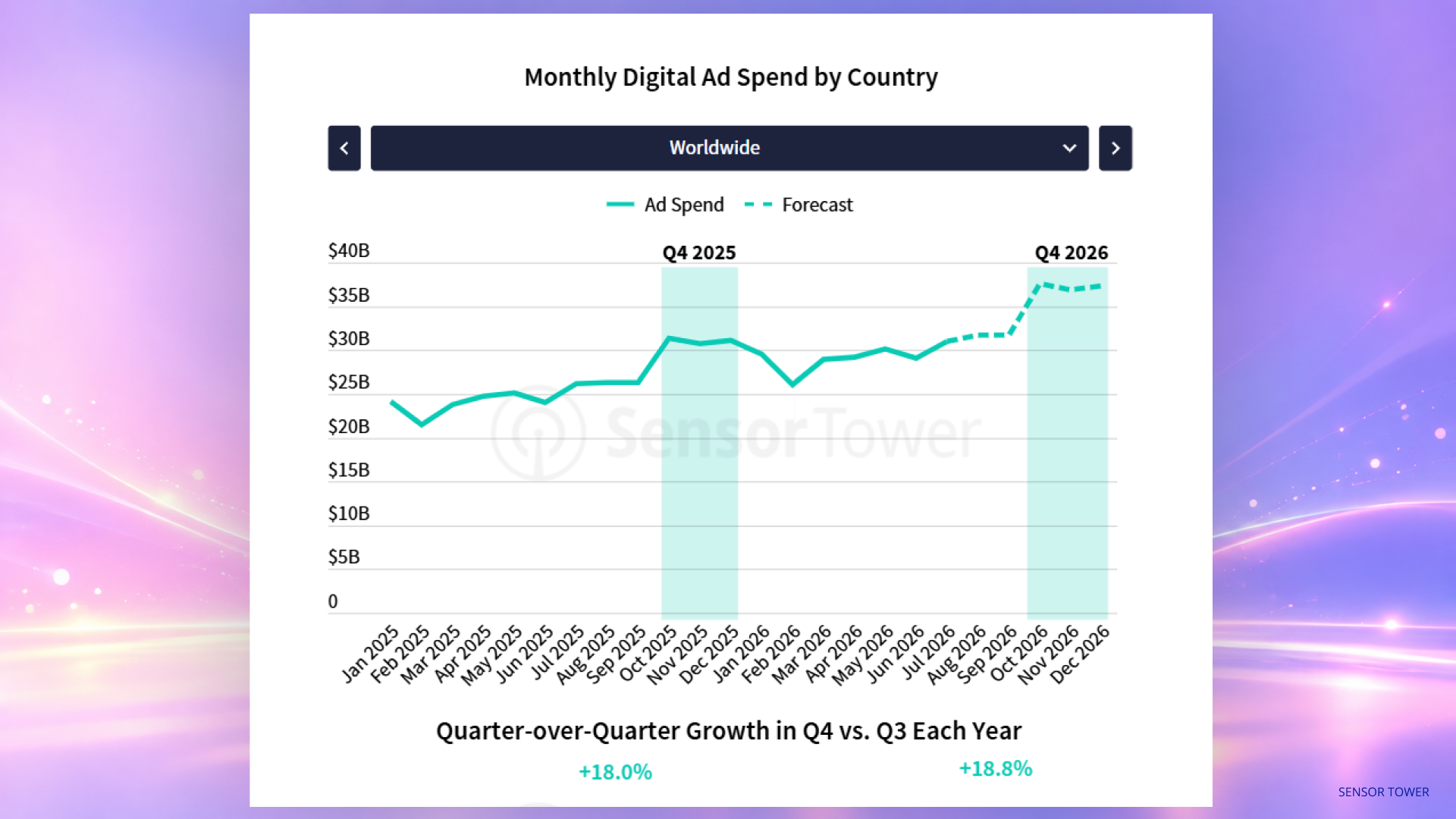
Because digital ad spend starts rising well before Black Friday and Cyber Monday, advertisers need to prepare for the holiday season in advance.
According to the forecast, global digital ad spend will exceed $110 billion in Q4 2026, up 19% from the previous quarter. The United States is expected to account for a significant share of holiday advertising, with spend projected to reach $63.3 billion (+20% quarter over quarter).
Advertising spend is also expected to rise significantly in Europe, Latin America, and APAC in Q4. However, seasonal drivers vary from market to market. For example, the Diwali festival in India drives shopping and advertising activity in November.
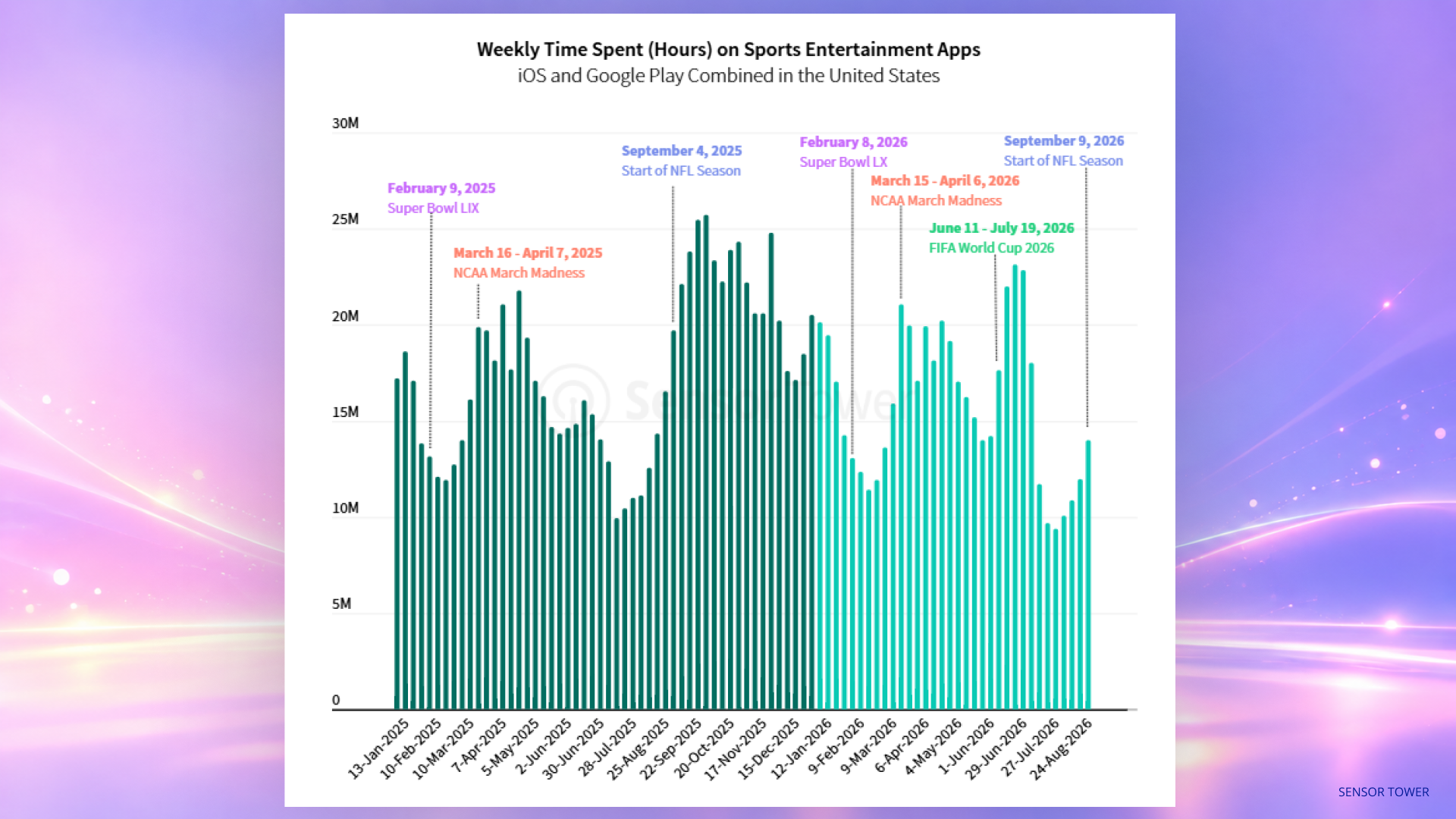
Consumer packaged goods brands tended to focus on events with the broadest audiences. They accounted for 37% of impressions around the FIFA World Cup and 11.7% around the Super Bowl.
Sports advertising trends varied by tournament during the 2025–2026 season. Impressions for NBA-related ads grew by 70% year over year, following a 41% decline the previous season.
Some brands took a broader approach, promoting food and beverage delivery as part of the overall experience of watching a football game.
These examples show how sponsorships and the sports calendar can support different strategies: from campaigns tied to a specific league or match to messaging built around the occasion of watching a game at home.
Global digital ad spend is projected to approach $379 billion in 2026, up 20% year over year. Social networks are the main driver of growth: they are expected to generate nearly $260 billion, or around 68% of total spend. Monthly social ad spend could exceed $25 billion in Q4.
Advertising budgets are increasingly following audiences onto social platforms and into mobile apps. Meanwhile, spending on linear TV is declining, even as streaming continues to grow.
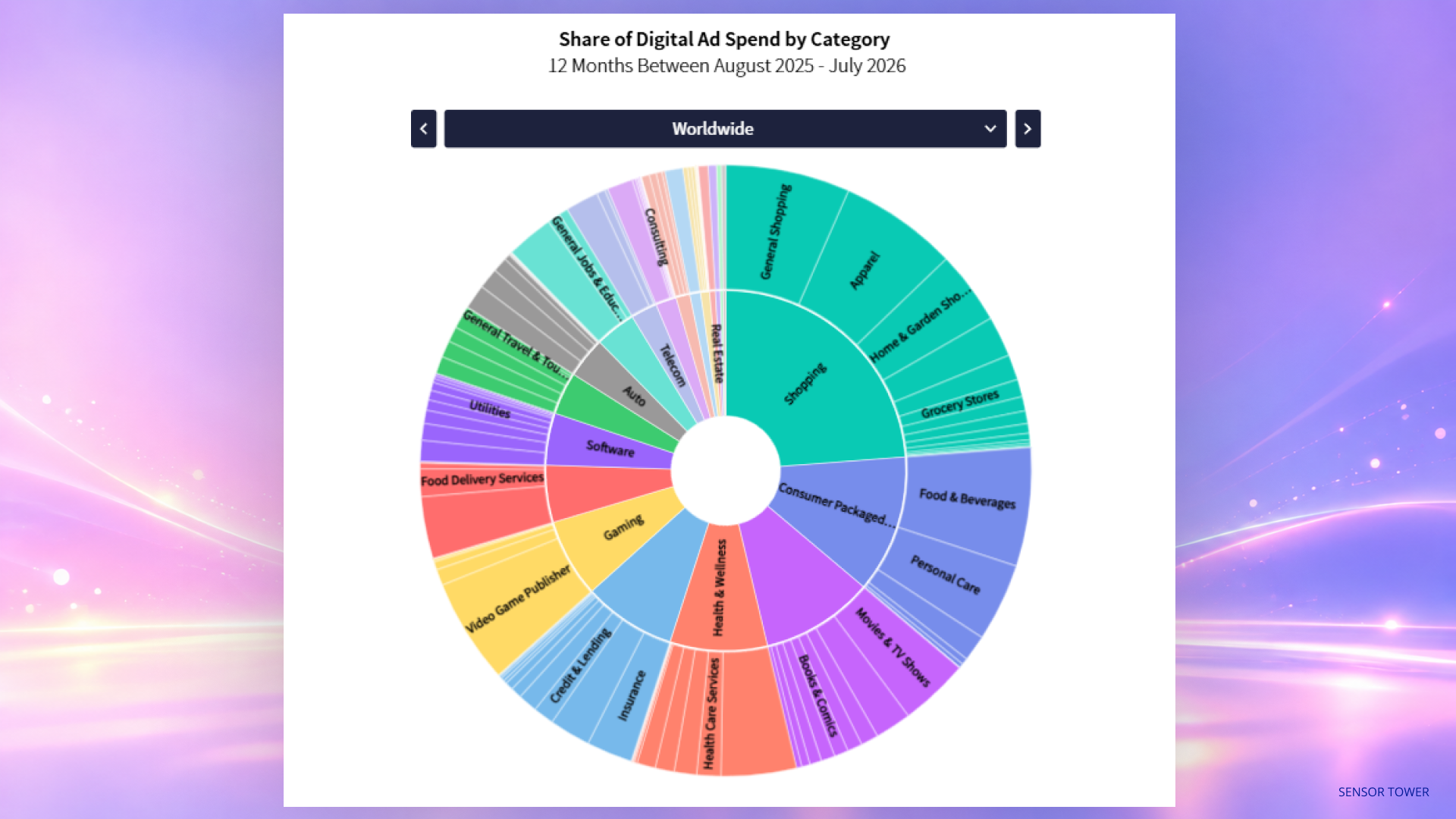
From August 2025 to July 2026, Shopping ranked first in digital ad spend.
The largest subcategories were General Shopping (6.6%), Apparel (6.2%), and Home & Garden Shopping (3.9%).
Leading advertisers included Amazon, SHEIN, Walmart, and Temu. Despite the strong interest in generative AI, it accounted for around 1% of ad spend.
This shows that a significant share of digital budgets is still focused on promoting products and driving purchases.
The growth in digital budgets is also reflected in mobile advertising: according to Sensor Tower, ad spend in mobile apps increased by 21% year over year. This aligns with the broader shift in audience attention toward digital platforms and apps, while spending on linear TV is declining.
For brands, mobile apps are an important environment for reaching users. They make it possible to combine reach-focused formats with interactive creative and targeting, while adapting ad messages to the context and interests of the audience.
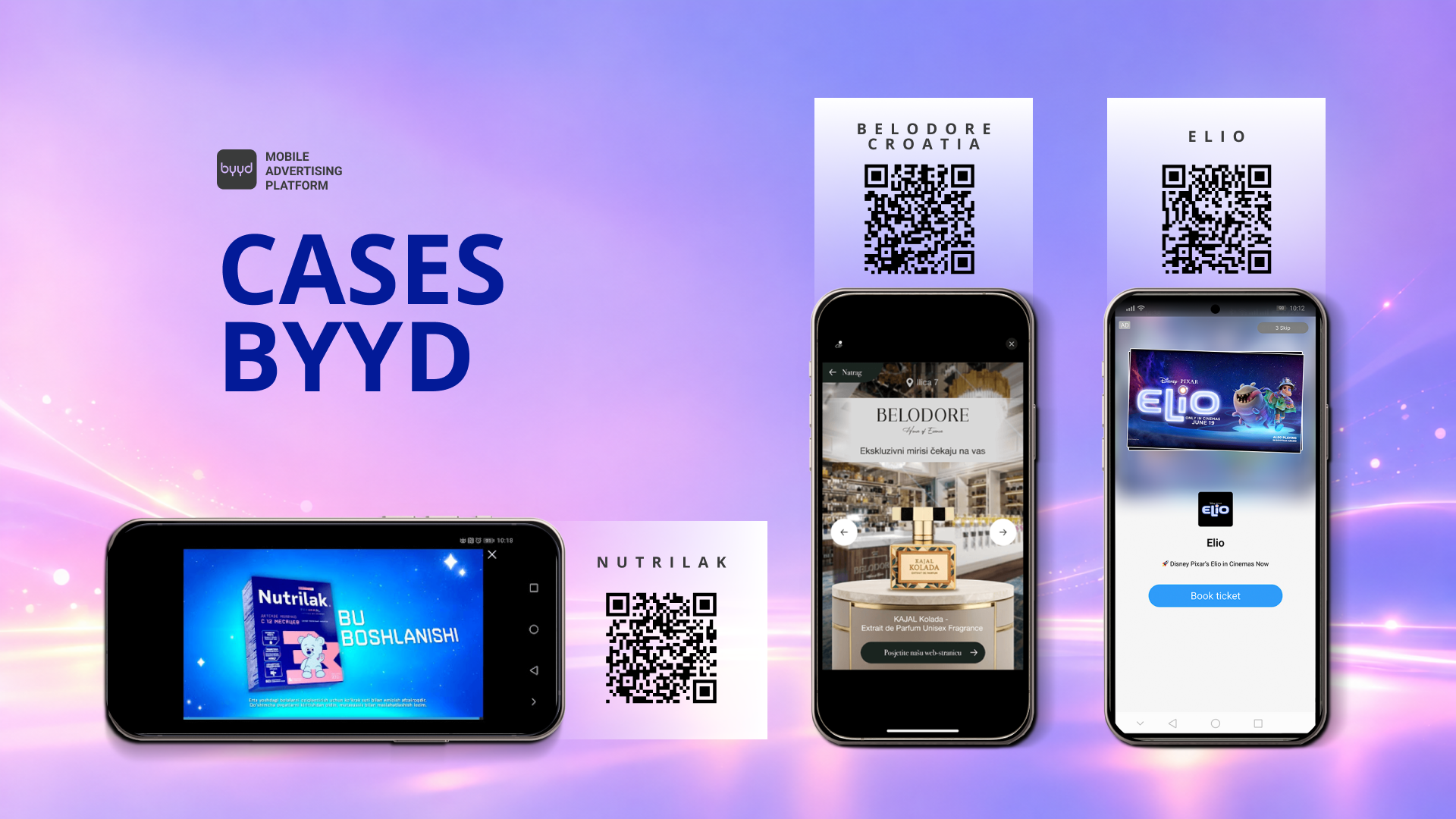
For more than 11 years, BYYD has been helping companies with mobile advertising and continuously improving its tools to meet the evolving needs of the market. Check out our case studies and send us an email – let’s launch your next campaign together.
Found this helpful? Share it with your friends and colleagues!
For consultations and partnership inquiries:


