In 2026, millennials—those born between 1981 and 1996—are one of the key target audiences for brands. There are approximately 1.7 billion millennials (Generation Y) worldwide, accounting for around 21.2% of the global population.
This generation grew up alongside the internet and smartphones, which is why millennials actively use digital services. They frequently shop online and have strong purchasing power.
In this article, we explore the marketing tools that help brands reach millennial audiences, capture their attention, and engage them in brand communication. We also share the latest statistics from HubSpot, Capgemini, Deloitte, and EMARKETER.
Using BYYD case studies, we examine how programmatic advertising helps identify Generation Y users and launch effective advertising campaigns.
Millennials often discover new products through social media.
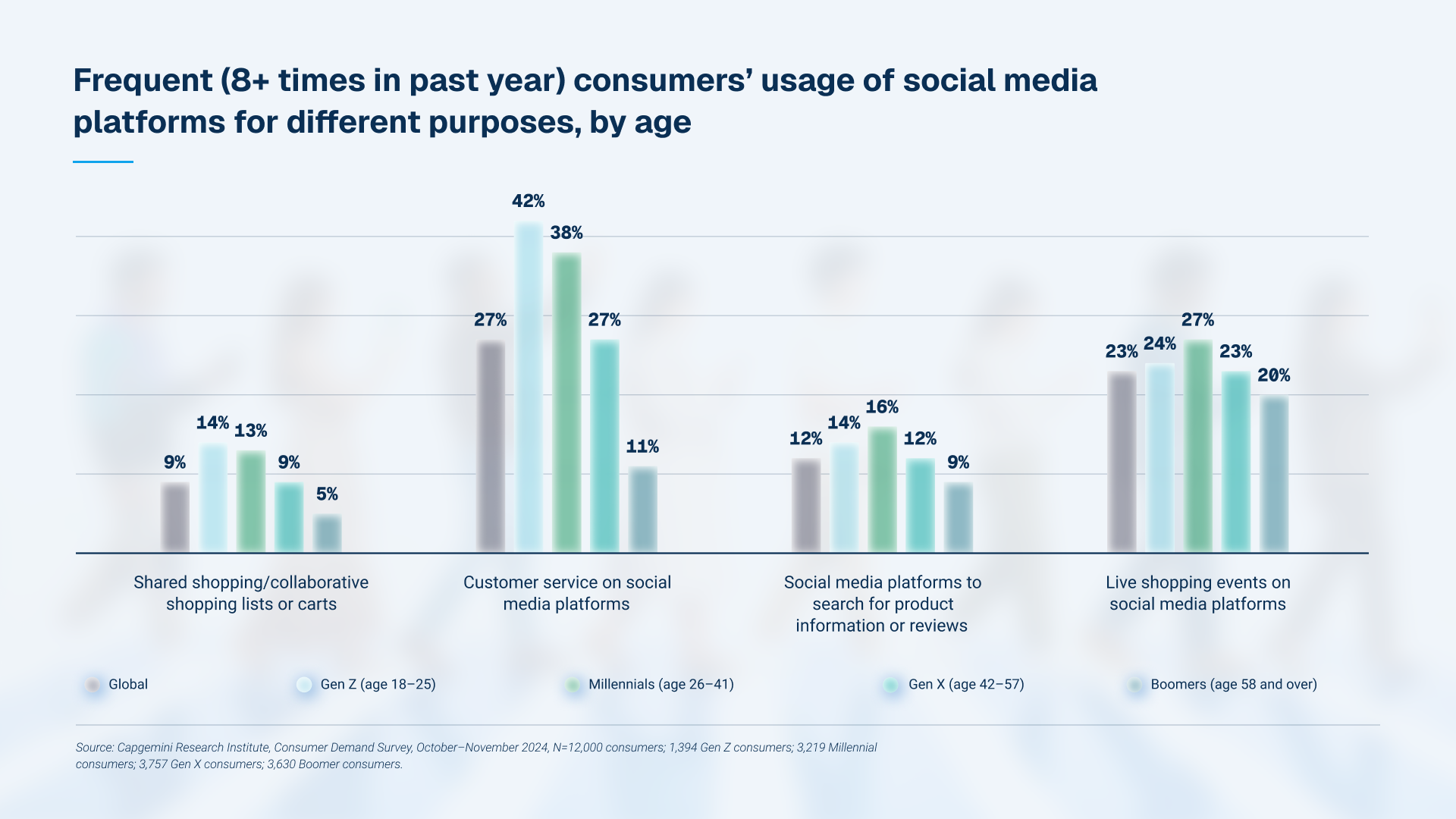
According to HubSpot, in 2024, 43% of millennials made purchases through in-app stores, while 36% purchased products based on influencer recommendations. In addition, 47% of respondents said that a brand’s stance on social issues—such as income inequality, climate change, healthcare accessibility, and other societal challenges—plays an important role in their purchasing decisions.
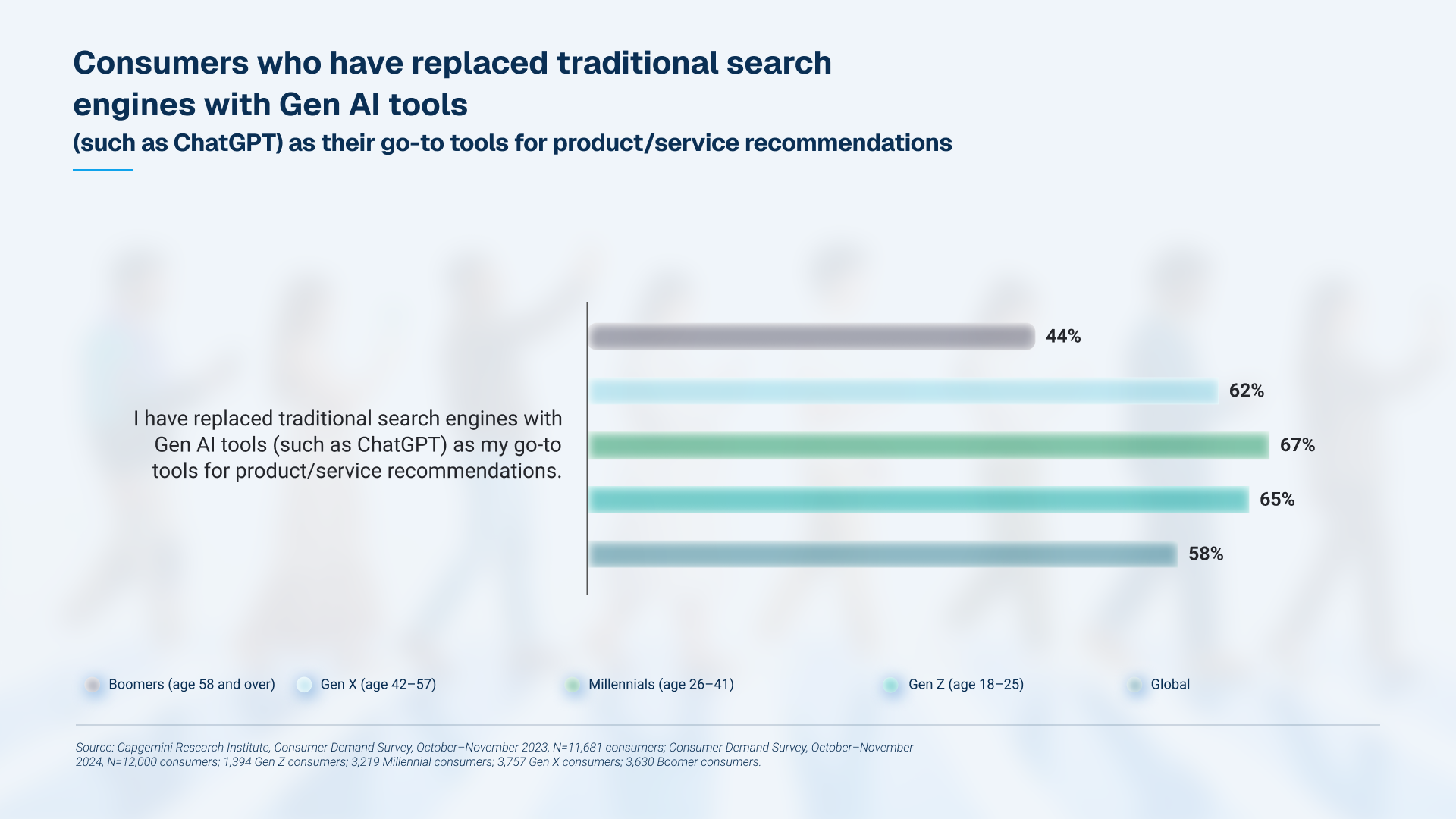
Capgemini also found that 67% of millennials used generative AI tools to search for products and services in 2025, highlighting the generation’s strong interest in innovative technologies.
Reaching millennials effectively requires a multi-channel marketing strategy that combines video, social media, and other digital platforms.
YouTube remains one of the most important channels in terms of engagement. In 2026, millennials spend an average of 45 minutes per day on the platform. According to EMARKETER, YouTube’s millennial audience is expected to reach 62.3 million users, only slightly behind Generation Z at 65.1 million.
Millennials are also rapidly adopting digital payment solutions. According to Capital One Shopping:
At the same time, financial uncertainty remains a significant factor influencing purchasing behavior. According to Deloitte, 46% of millennials report feeling financially insecure. As a result, brands should emphasize transparent pricing, a clear value proposition, and flexible payment options in their marketing communications.
Millennials actively use tools that make online shopping more convenient and cost-effective. Nearly half of the generation (47%) use promo codes and coupons when placing online orders. During the purchasing process, 30% contact live chat support to get additional information or assistance, while 28% are willing to pay extra for faster delivery.
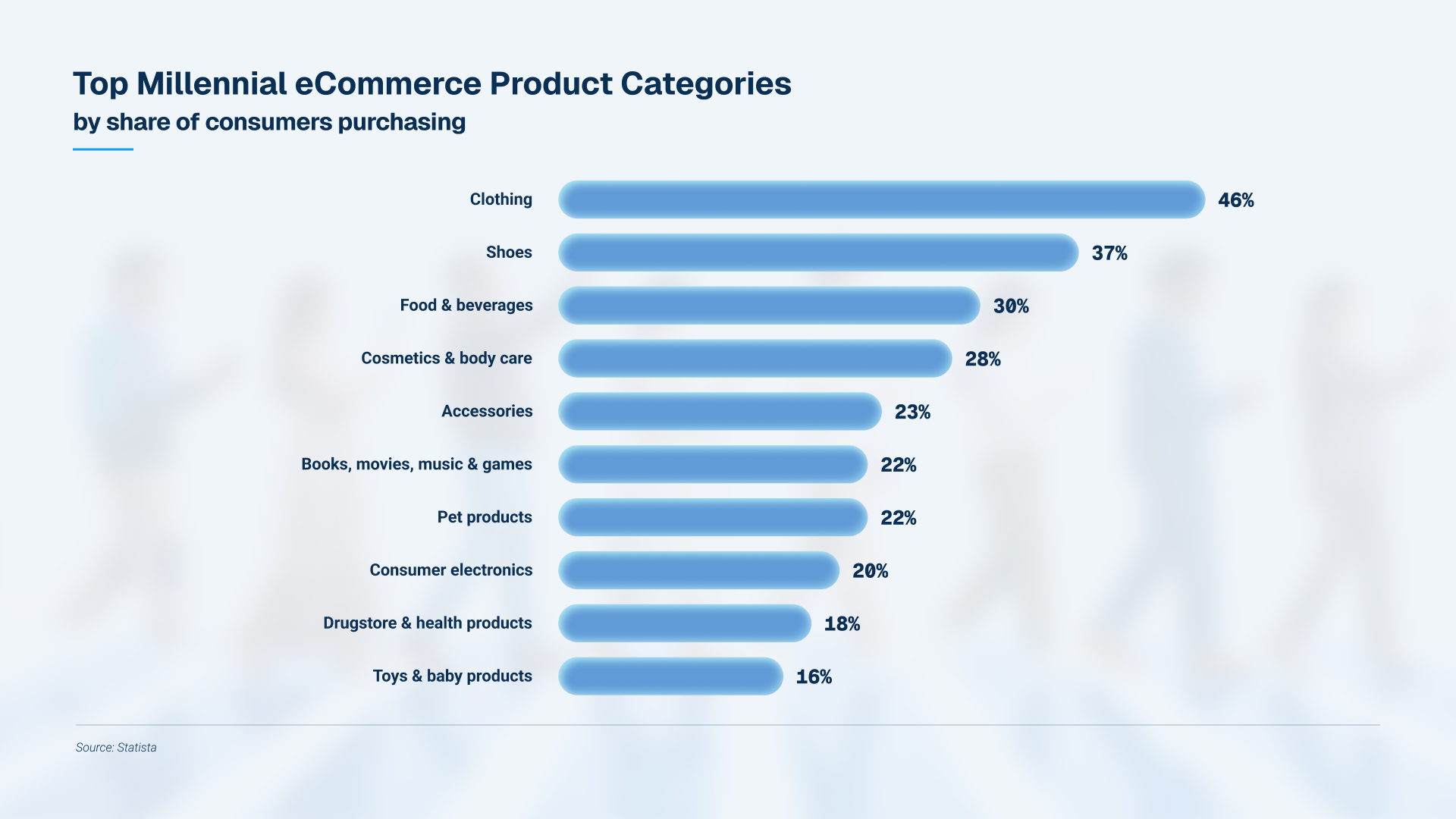
Clothing remains the most popular product category among U.S. millennials, with 46% purchasing apparel online. In addition, 37% buy footwear, 30% purchase groceries and beverages, 28% shop for beauty and personal care products, and 23% buy accessories online.
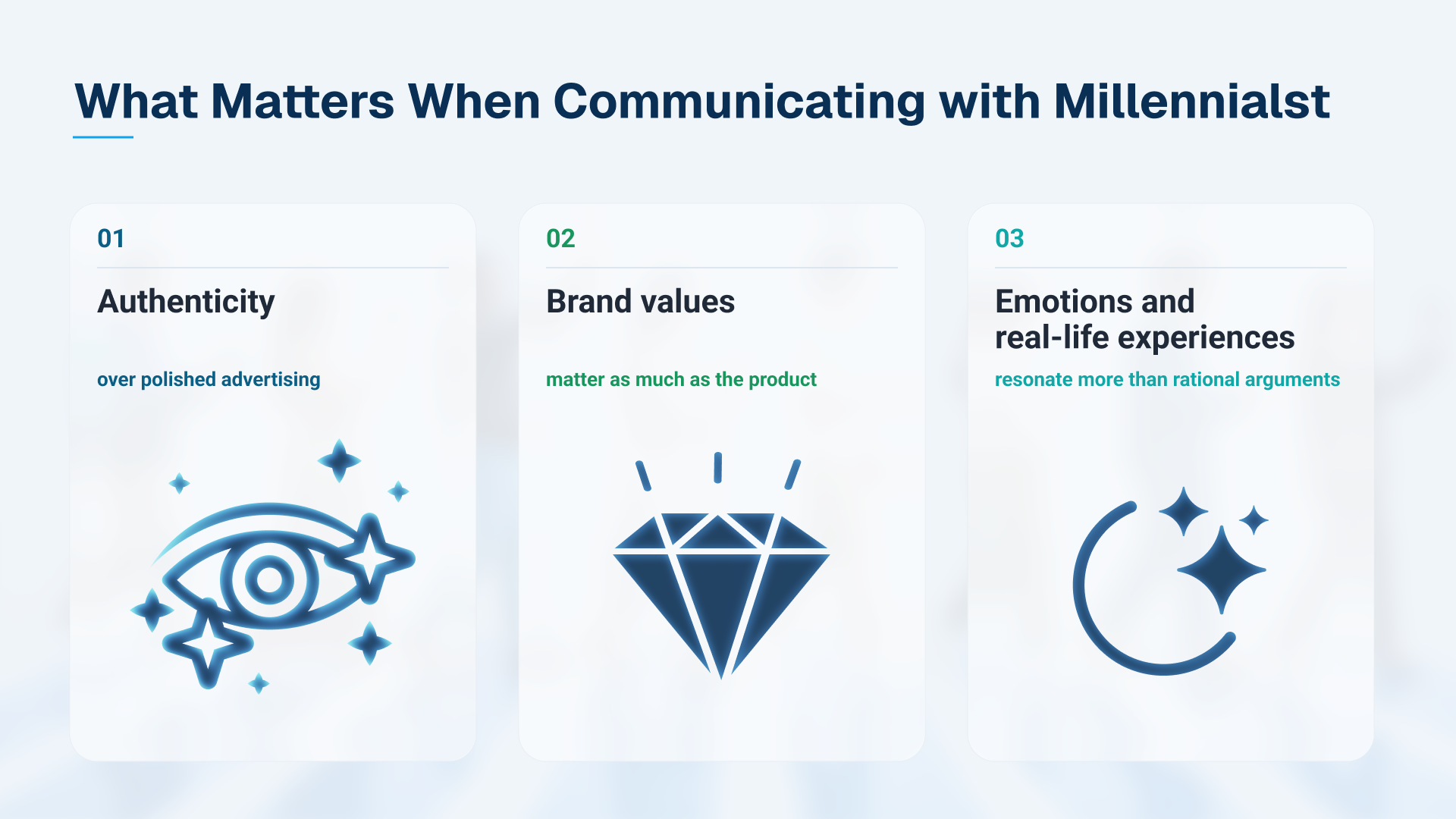
Generation Y is less responsive to traditional advertising and is more likely to make purchasing decisions based on the experiences of other consumers and a brand’s reputation in the digital space. For millennials, a product’s features are important, but so are trust, transparency, and whether a brand aligns with their values.
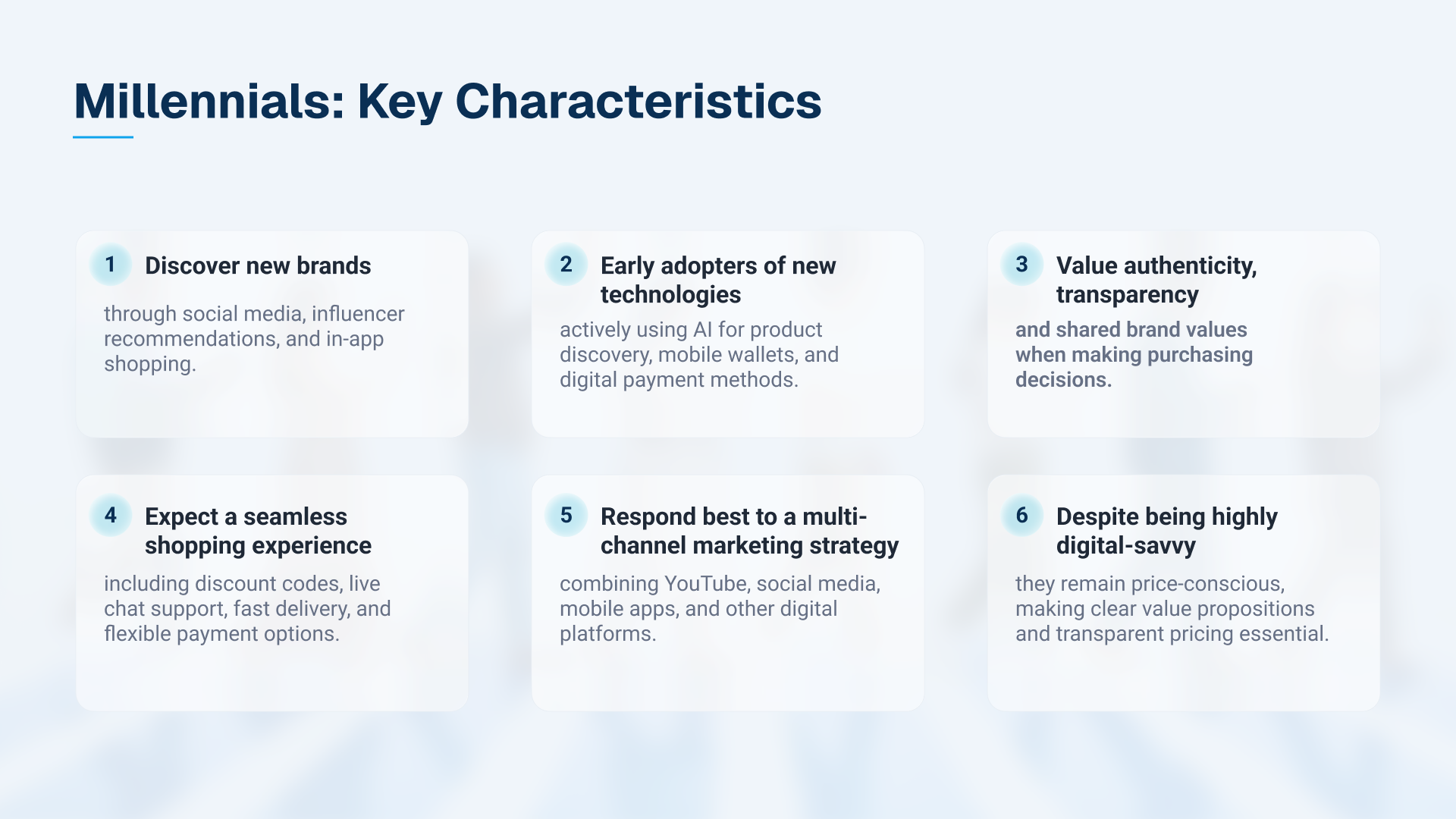
Authenticity over perfection. Millennials respond better to honest, relatable content than to highly polished advertising. According to HubSpot, 72% trust recommendations from other consumers more than traditional advertisements when choosing products.
Brand values are a competitive advantage. Millennials care about environmental responsibility, ethical production, business transparency, and a company’s social impact. Deloitte research shows that Generation Y increasingly chooses brands that reflect their values and demonstrate a genuine commitment to sustainability and social well-being.
Social proof matters more than advertising claims. Before making a purchase, millennials actively read customer reviews, user-generated content, and product recommendations to validate their decisions.
Experiences are valued more than possessions. Millennials are more willing to invest in experiences such as travel, education, and events than in material goods.
Nostalgia and life-stage relevance work. Campaigns that reference the culture of the 1990s and 2000s or reflect the key milestones of adulthood resonate particularly well. Topics such as career growth, starting a family, raising children, buying a home, managing personal finances, and achieving work-life balance are especially relevant to Generation Y.
This approach enables brands to build long-term trust with millennials and improve marketing effectiveness through relevant content and shared values rather than intrusive advertising.
Programmatic advertising enables brands to reach millennials in the digital environments they use every day, including mobile apps, video platforms, and other online channels. Instead of relying solely on age-based targeting, advertisers can combine demographic, behavioral, and contextual data to identify highly relevant segments within Generation Y.
For example, a campaign can target users aged 30–45 who are interested in travel, career development, home buying, parenting, personal finance, technology, health, or online shopping.
To promote Espumizan L in Armenia, the BYYD team targeted men and women aged 24–45 who were interested in health, vitamins, nutrition, and family-related topics. A combination of socio-demographic and interest-based targeting, carefully selected app categories, continuous campaign optimization, and immersive Fullscreen and Video ad formats helped the brand effectively reach its target audience, increase brand awareness, and drive users to the product landing page.
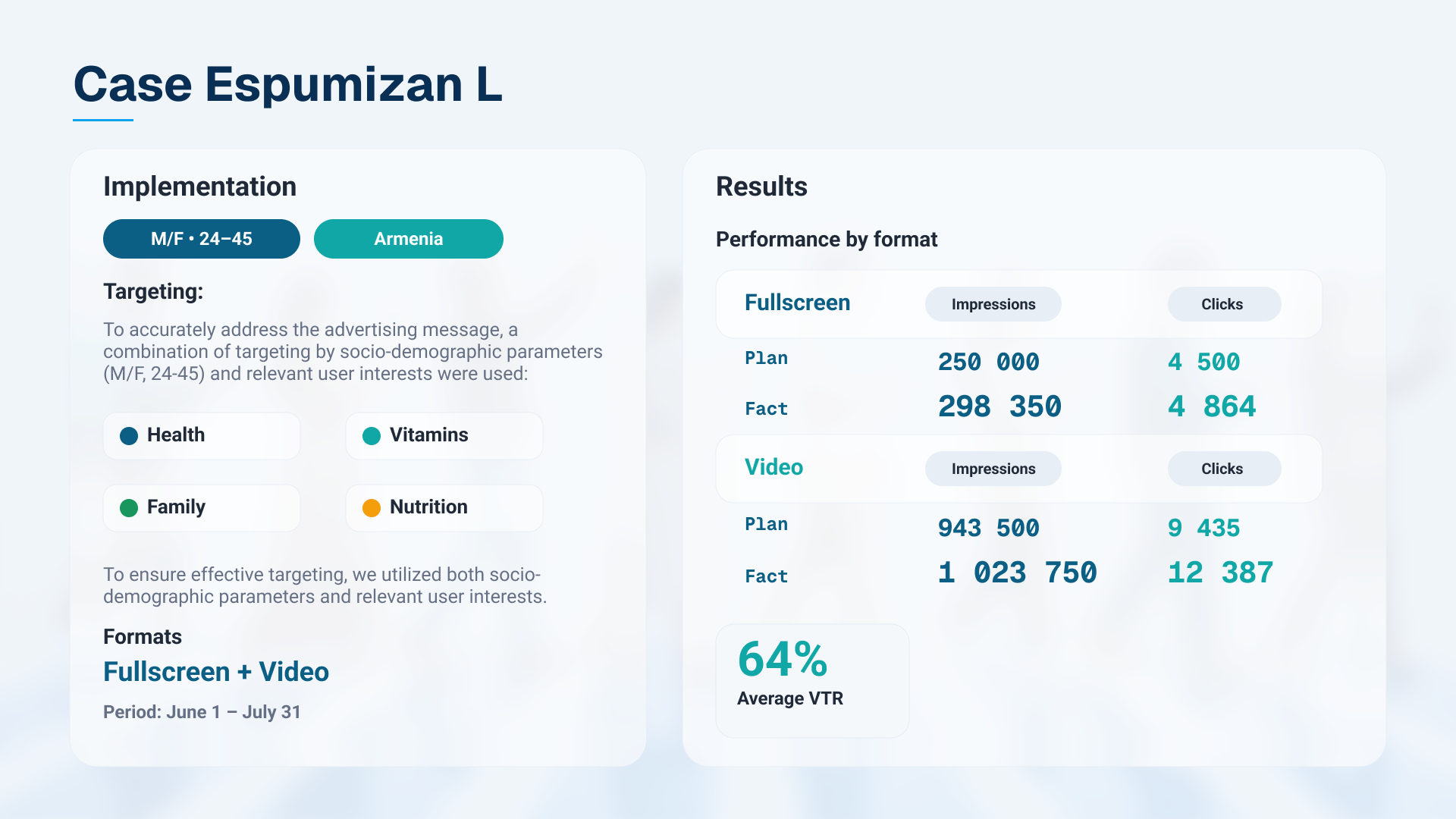
Daily campaign optimization enables advertisers to allocate budgets toward the apps, ad formats, and audience segments that deliver the strongest performance. At the same time, interactive and video formats do more than maximize reach. They engage users, showcase products in real-life scenarios, and create a stronger emotional connection with the brand.
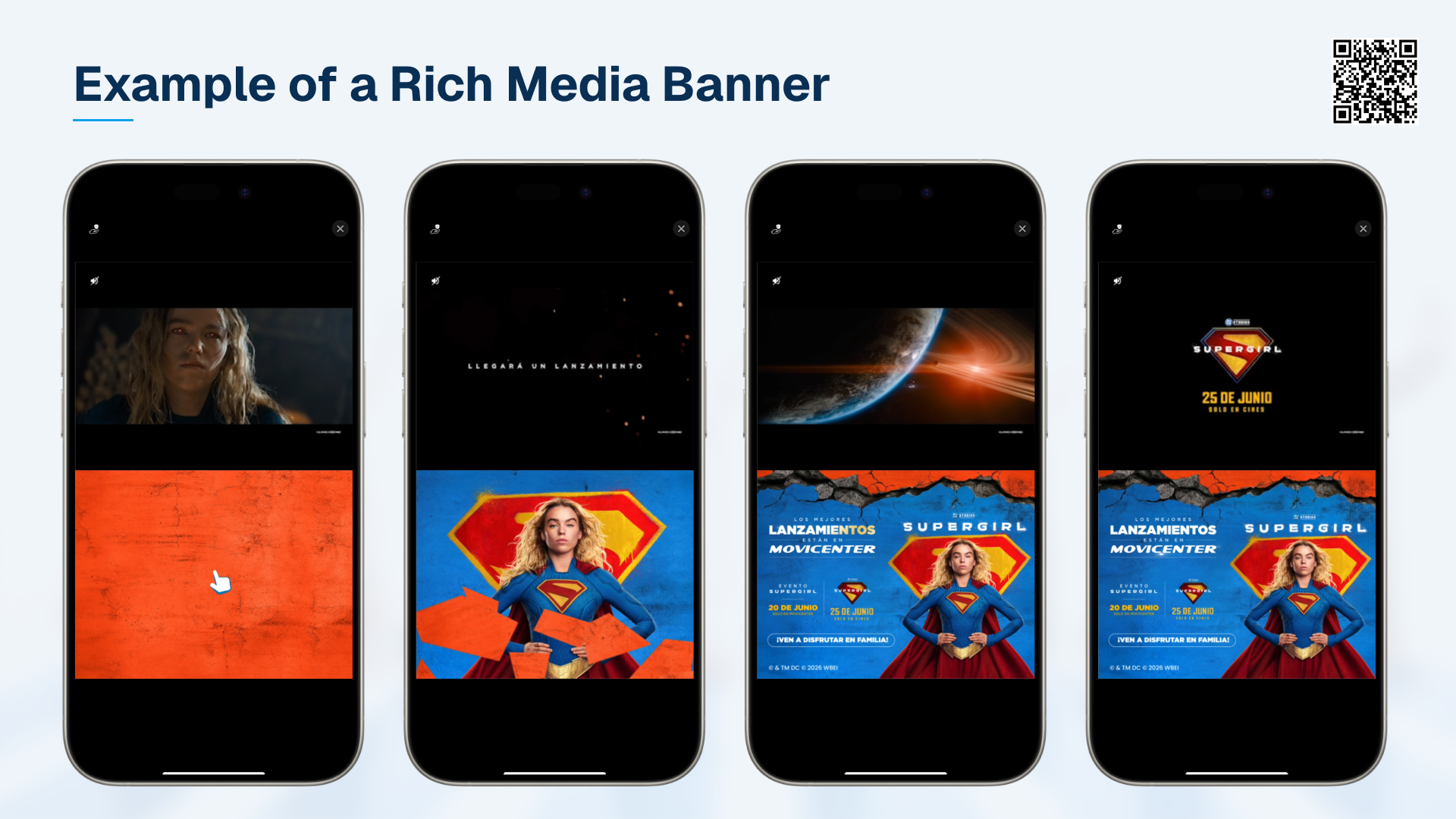
For over 11 years, the BYYD team has been working with mobile advertising and creating banners designed for real user engagement. We help brands capture audience attention and achieve business objectives through proven mechanics.
Check out our case studies and send us an email – let’s launch your next campaign together.
Found this helpful? Share it with your friends and colleagues!
For consultations and partnership inquiries:


