Mobile Game App Market in 2026: Key Insights from the Sensor Tower Report
In 2025, 95,000 mobile games were downloaded every minute. Total downloads reached 50 billion, while in-app purchase (IAP) revenue hit $82 billion. This scale creates a massive and highly engaged in-app audience, making the mobile game app market a critical environment for brands to connect with users.
In this article, we highlight major trends shaping the mobile game app market, and analyze Sensor Tower’s State of Gaming 2026 report. Also we explain how mobile advertising fits into this evolving landscape.
Smartphones as the Primary Driver of Reach
Mobile devices remain the most scalable and accessible channel for reaching audiences. This is driven by high smartphone penetration and the dominance of the free-to-play model, where users can download and play games at no cost, significantly lowering entry barriers.
In 2025, 96% of mobile game downloads were free-to-play, rising to 99% on Google Play.
While PC and console gaming continue to grow, higher costs and hardware requirements still limit their reach compared to mobile.
For brands, this means the mobile game app market offers a unique opportunity to engage highly involved audiences through interactive advertising formats.
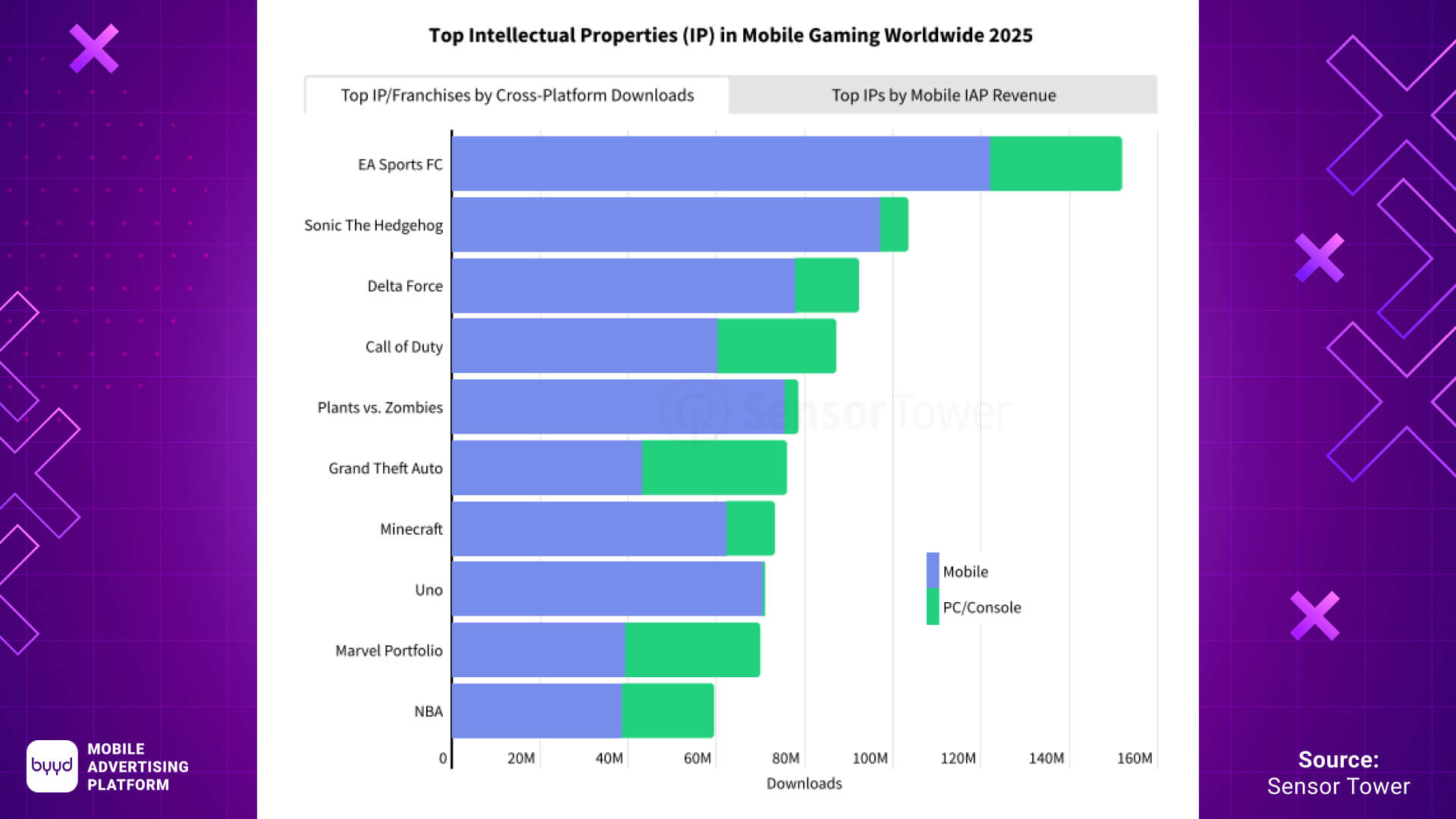
Which Games Are Driving Growth
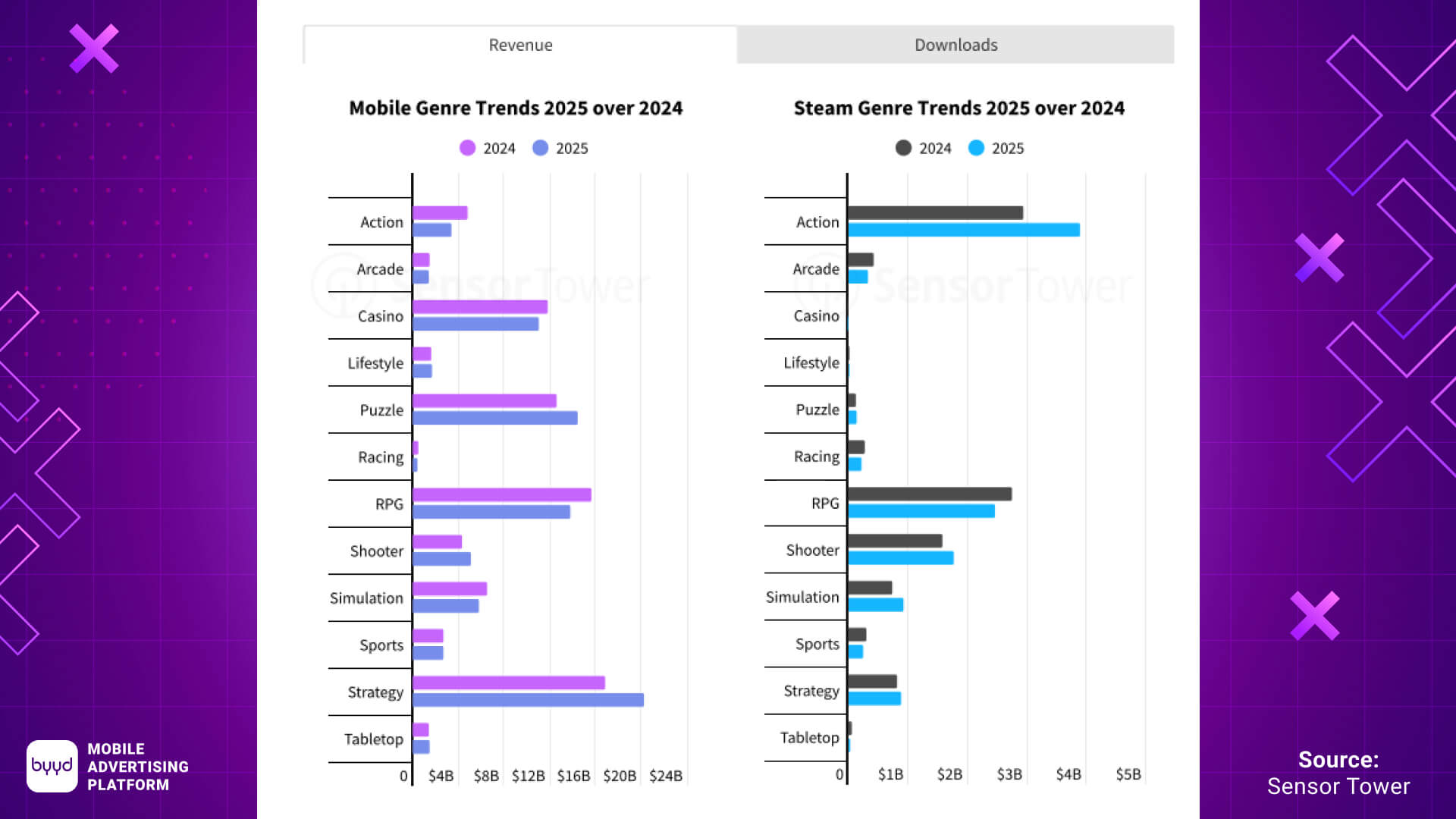
Strategy and puzzle games showed the strongest growth in the mobile game app market in 2025. IAP revenue increased by 20% in strategy games and 14% in puzzle games.
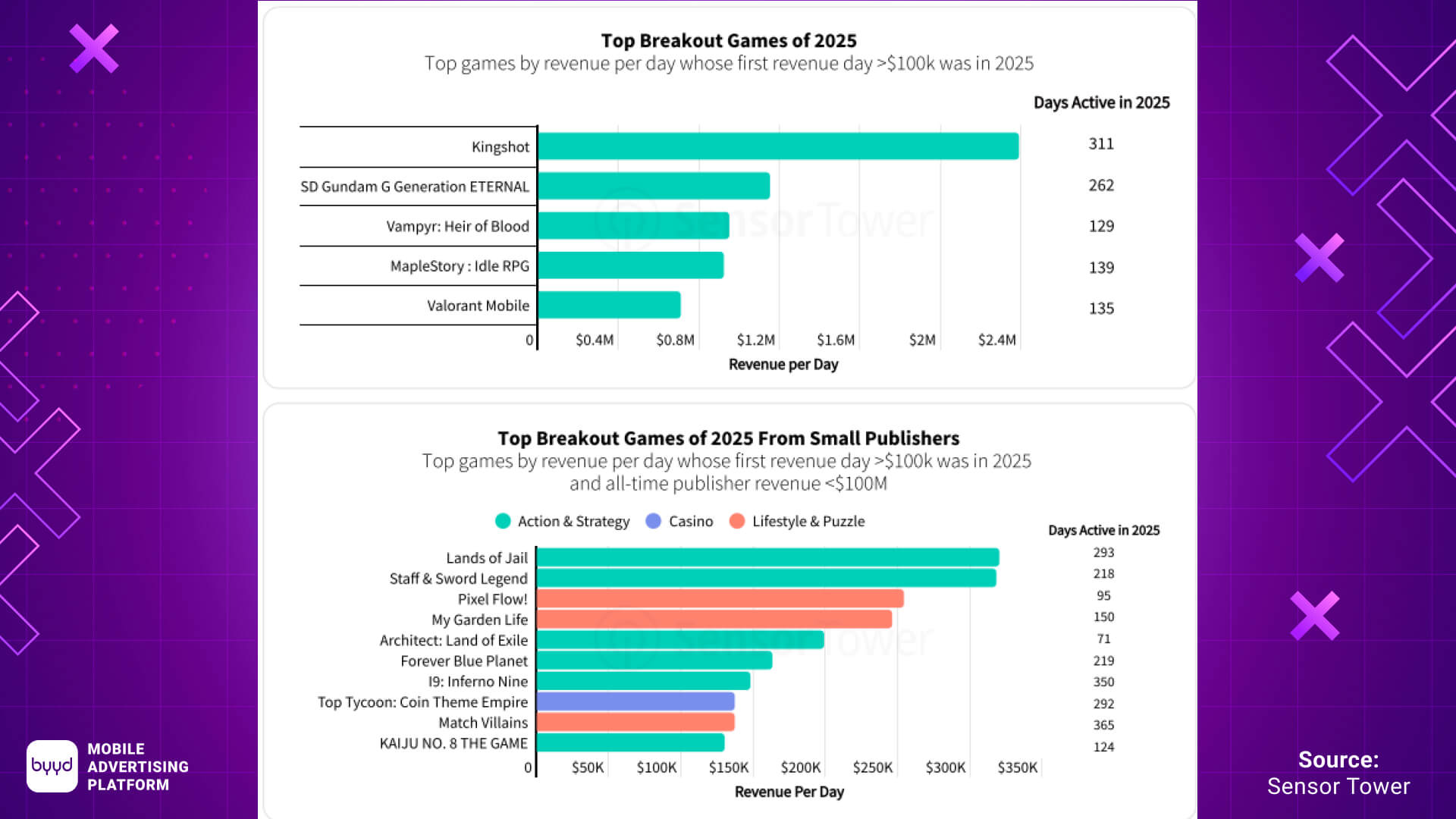
Growth in strategy games was driven by a wave of 4X titles from Eastern European and Asian developers, including Last War: Survival and Whiteout Survival. The fastest-growing game by IAP revenue was Kingshot, followed by Delta Force.
In the casual segment, Gossip Harbor and Royal Kingdom demonstrated significant growth.
Other standout titles included Vampyr: Heir of Blood and MapleStory: Idle RPG, which gained strong traction in South Korea, as well as Valorant Mobile, which quickly entered the top 6 shooters by IAP revenue in China.
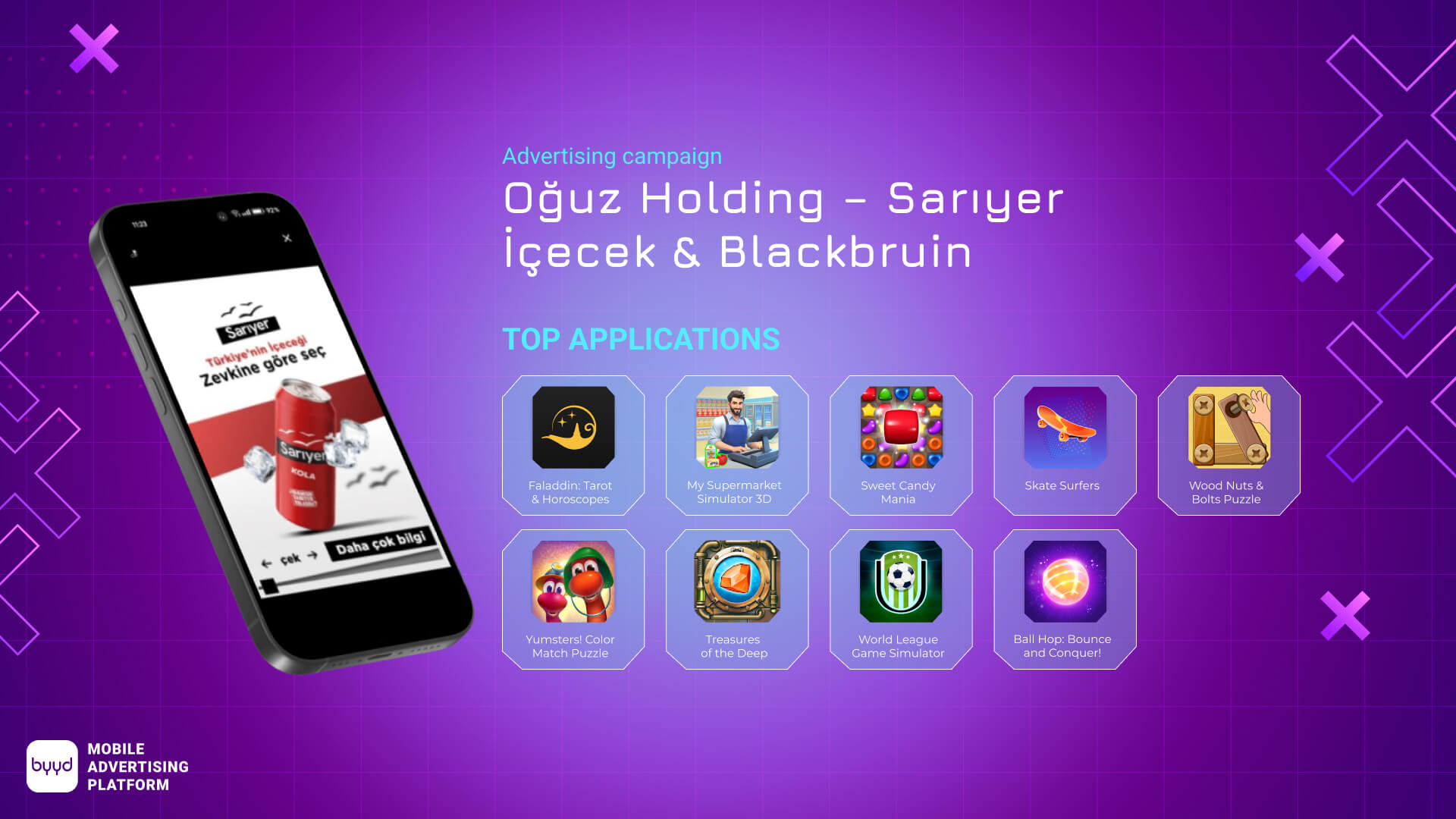
Programmatic advertising in the mobile game app market allows brands to select specific game categories and even individual apps for placement. This significantly increases the relevance of user interaction.
For example, to promote carbonated beverages by Sarıyer İçecek & Blackbruin in Turkey, mobile specialists focused on gaming apps.
Gender Differences in Game Preferences
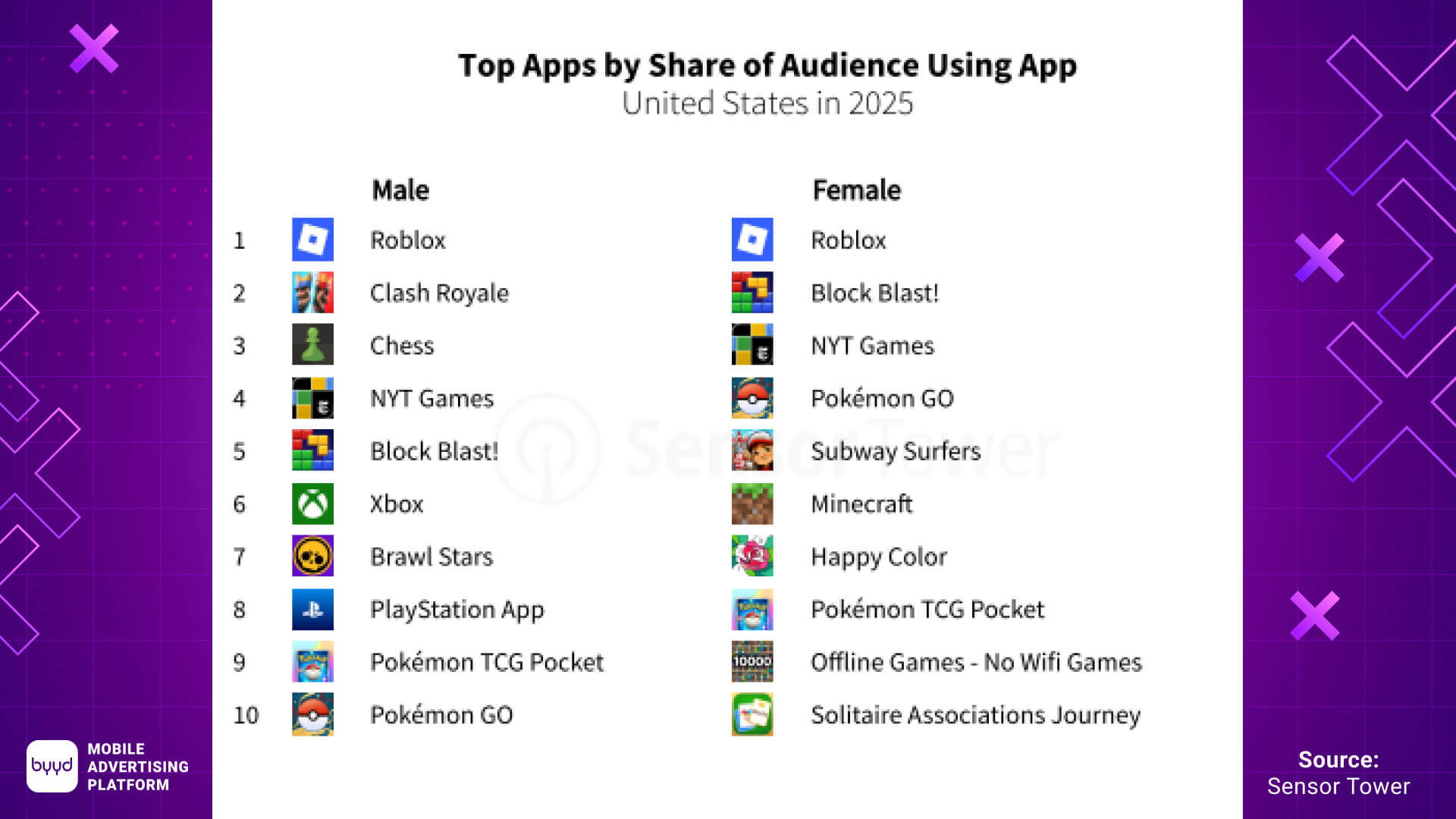
Lifestyle, puzzle, and tabletop games tend to attract more female users in the US, while sports, strategy, and shooter games skew male.
For example:
- Clash Royale and Chess.com rank in the top 5 among men but not women
- Subway Surfers ranks in the top 5 among women but not men
These insights allow brands to segment audiences more precisely within the mobile game app market and tailor communication strategies accordingly.
At the same time, about half of top games have broad cross-gender appeal.
Market Shift: From Growth to Monetization
In 2025, revenue in the mobile game app market grew by just 1%, while downloads and total time spent declined. This highlights increasing competition for user attention.
The market is shifting from user acquisition to monetizing existing audiences.
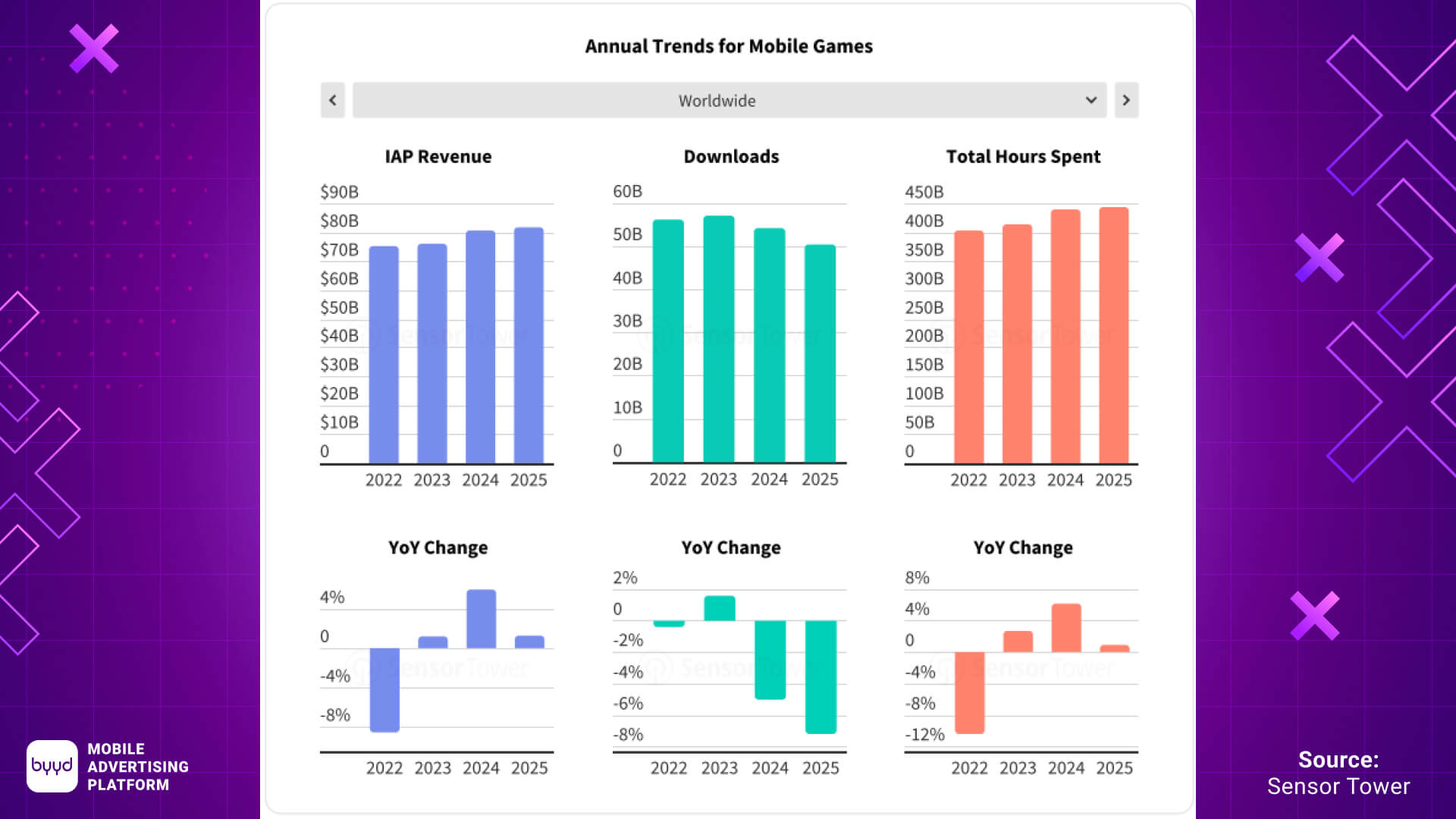
Most IAP revenue growth came from Europe, while the US market remained stable.
Apps Are Overtaking Games in Consumer Spending
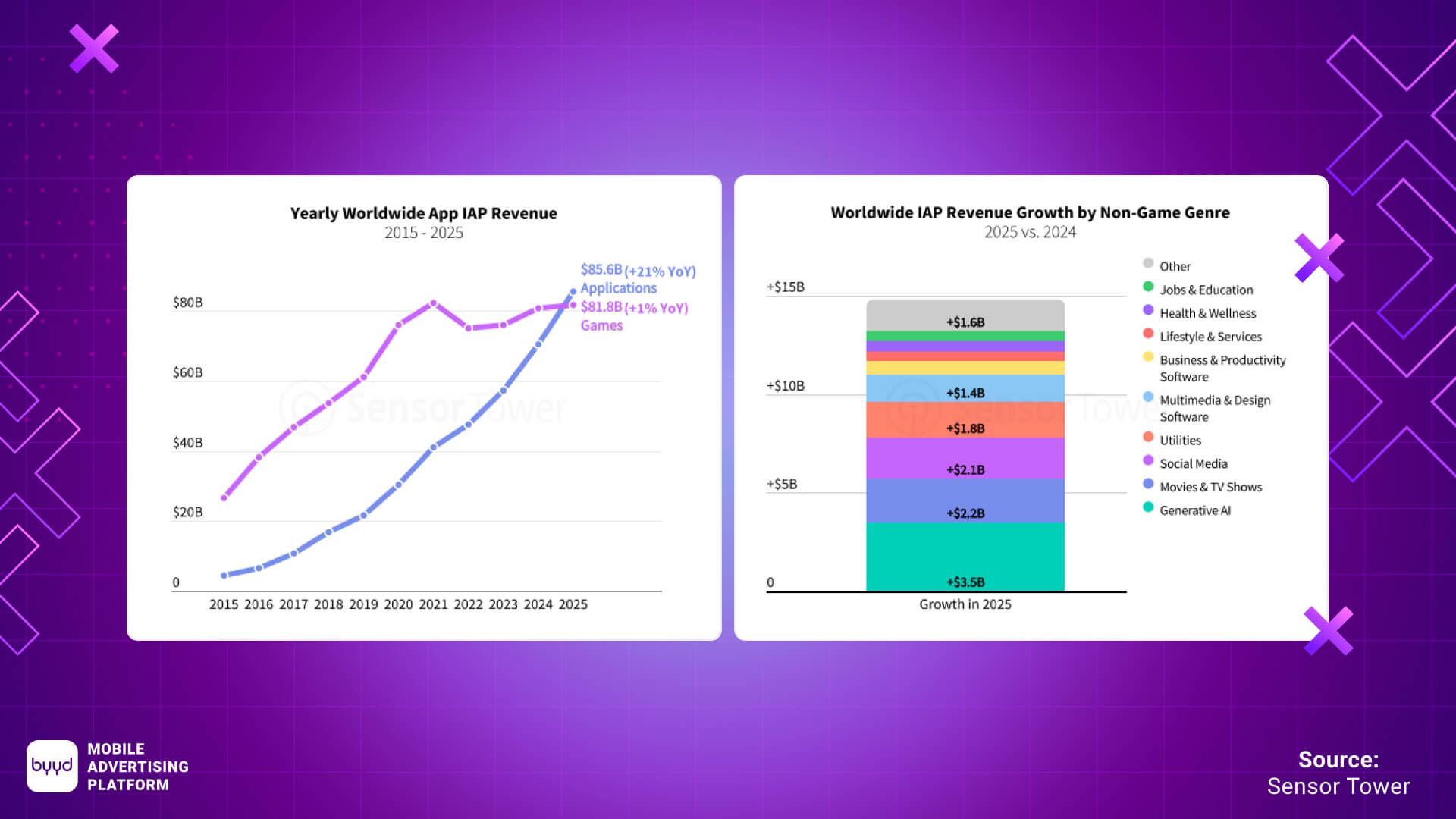
For the first time, non-gaming apps surpassed games in IAP revenue.
Consumer spending in apps reached $85 billion, growing 21% year-over-year, largely driven by AI-related products.
This trend expands opportunities for brands beyond the mobile game app market, into the broader mobile app ecosystem.
In-Game Advertising as a Key Format
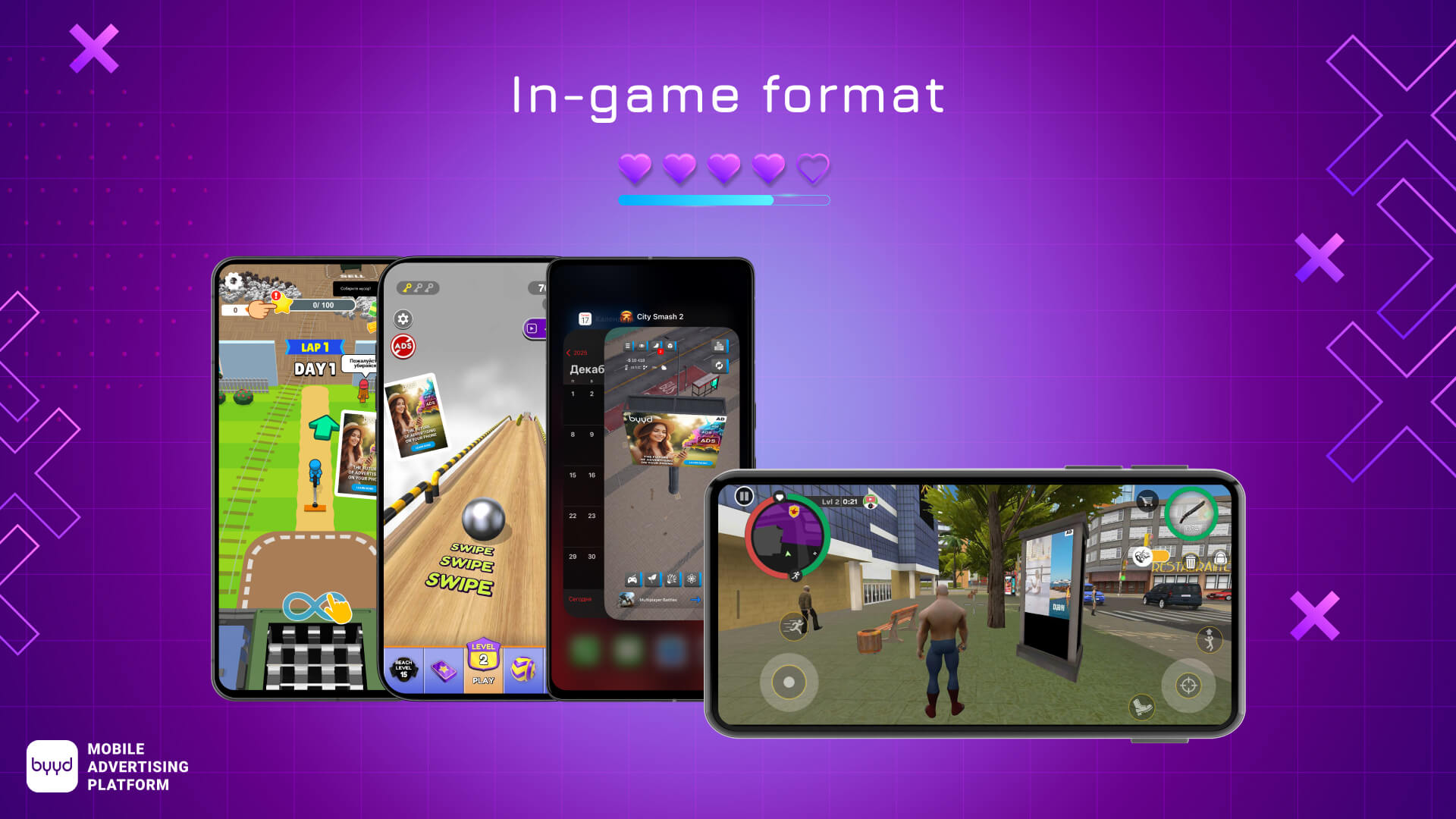
In-game advertising refers to ad placements directly inside games — during gameplay, between levels, or as part of interactive mechanics.
This creates a unique environment where users are actively engaged rather than passively exposed to ads.
Platforms like BYYD enable brands to fully leverage in-game formats within the mobile game app market, making it a powerful tool for engagement and performance.
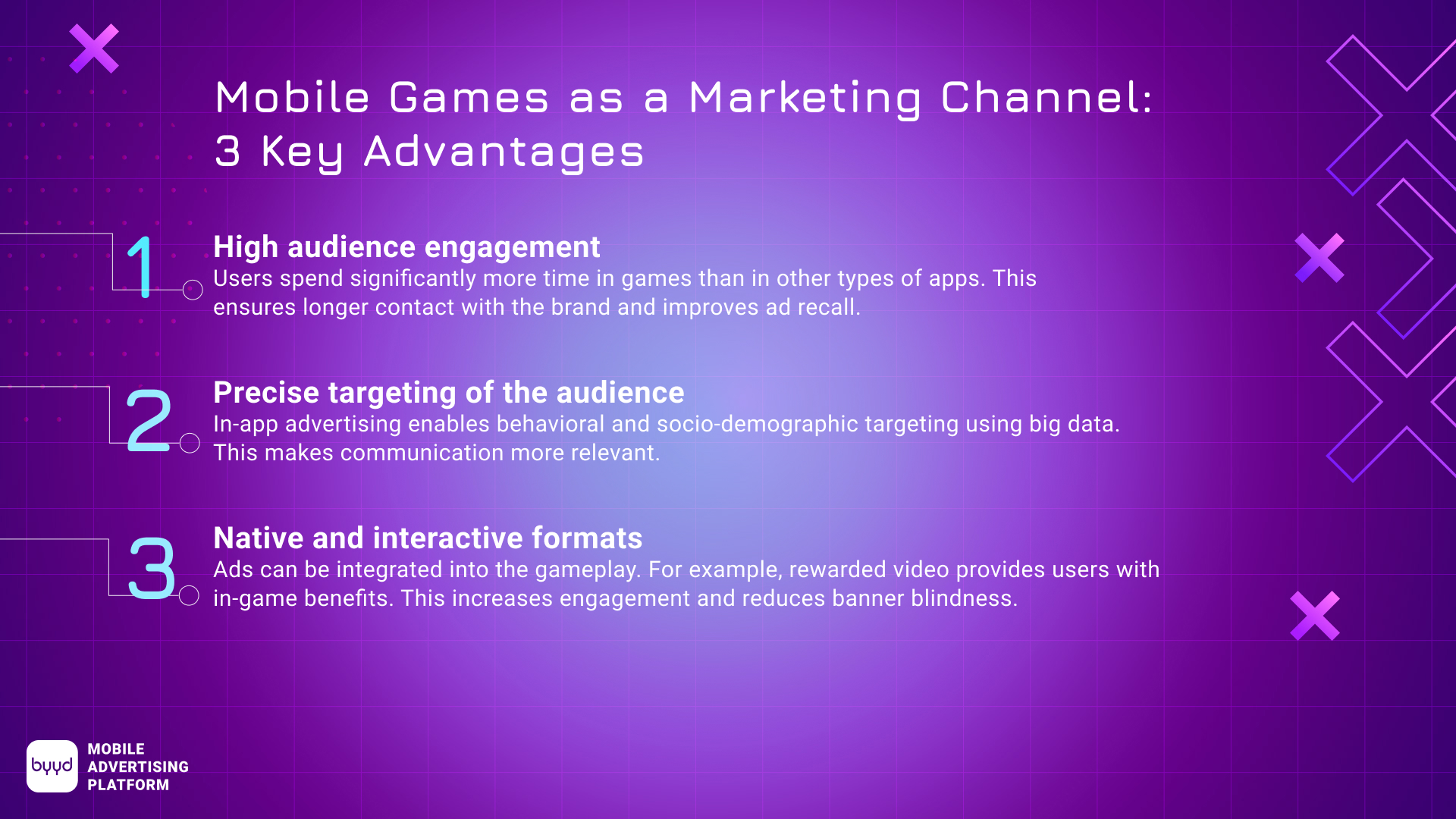
Today, mobile games are not just entertainment — they are one of the most effective communication channels. The mobile game app market provides:
- massive reach
- high engagement
- long user interaction time
All of which directly impact brand recall and campaign effectiveness.
In a highly competitive attention economy, in-app environments allow for more native and personalized communication.
Reaching Audiences Where They Are: BYYD’s Approach
BYYD builds media strategies based on brand audience insights rather than generic reach.
Depending on campaign goals, the platform selects relevant environments:
- gaming apps (strategy, puzzle, shooters)
- non-gaming apps (utilities, services)
- streaming platforms with video and online TV
This approach ensures ads appear in the right context — where users are most engaged.
As a result:
- higher relevance of contact
- increased engagement and campaign performance
- access to the right audience in the right environment
How to contact us
For over 11 years, the BYYD team has been working with mobile advertising and creating banners designed for real user engagement. We help brands capture audience attention and achieve business objectives through proven mechanics.
Check out our case studies and send us an email – let’s launch your next campaign together.
Found this helpful? Share it with your friends and colleagues!
For consultations and partnership inquiries:
- Submit a request on our website
- Email us at hello@byyd.me