The New Logic of Consumption in 2026: What the Market Will Look Like
What will consumers expect from brands in 2026? Understanding key trends helps shape effective marketing strategies and drive growth.
Based on a report by Euromonitor International, we explain what is changing in consumer mindsets, why it matters for brands, and provide global statistics with expert commentary.
Global Consumer Behavior: Key Trends
№1. From overload to simplicity and quality
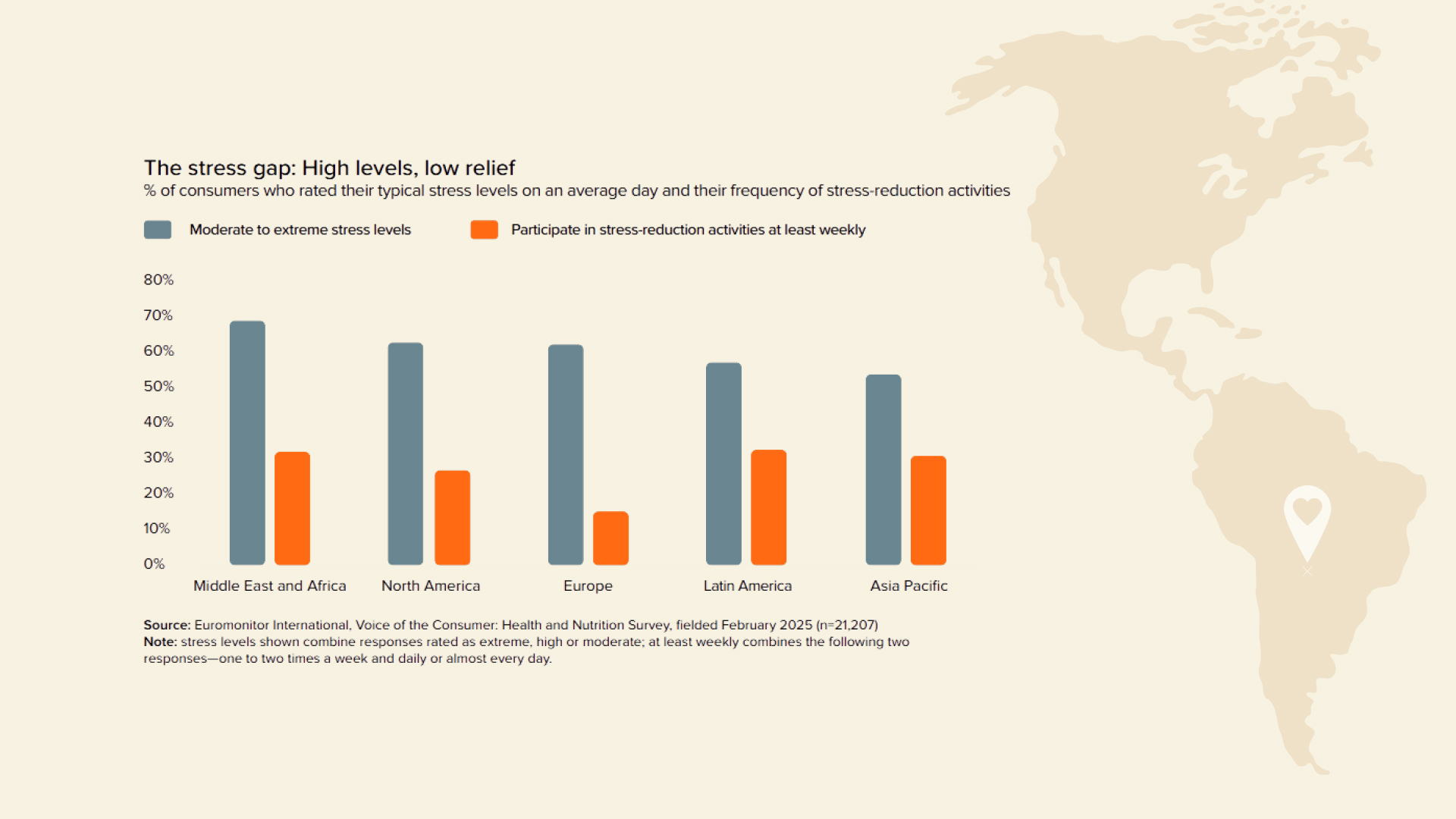
First, consumers are seeking comfort and peace of mind in an unstable and conflict-filled world. Social pressure to “optimize everything” creates unrealistic expectations, while rapid technological change adds to the sense of overload.
In response, people are rethinking how they spend their time, money, and energy. Two-thirds of consumers are looking for ways to simplify their lives. As a result, a new standard is emerging: “less, but better.” This shift is also reflected in consumption in 2026.
Second, nostalgia has become another marketing tool that helps brands connect with consumers. Modern interpretations of classic flavors, iconic characters, and retro designs evoke warm memories. This trend is gaining traction amid stress and an oversupply of new products on the market.
№2. Growth of products with natural ingredients
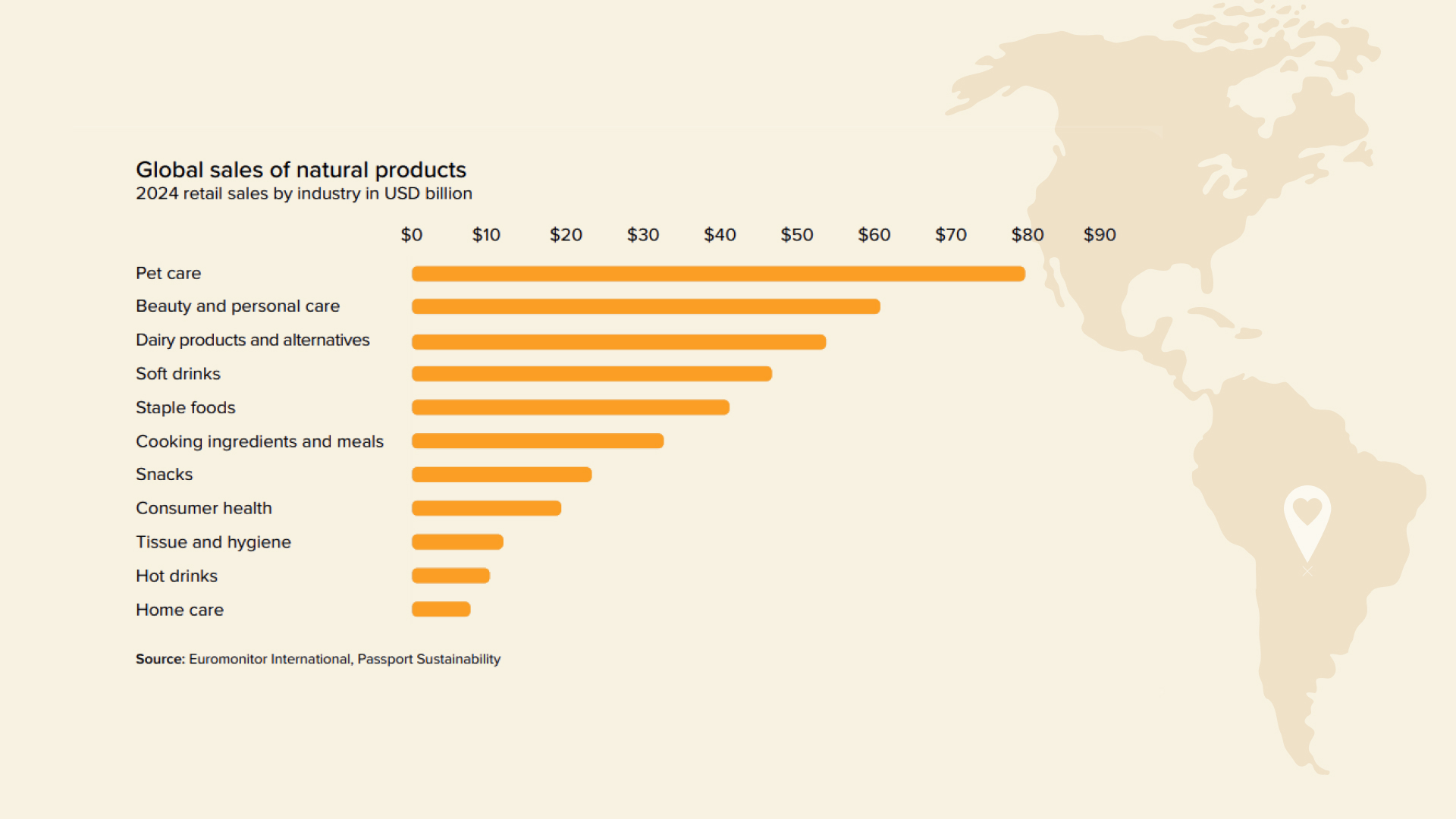
According to statistics, more than 8,000 new products with natural ingredients entered the market between September 2024 and August 2025.
Products with calming scents generate positive emotions and are growing in popularity. Global sales of scented candles are expected to exceed $3 billion in 2026.
Given this trend, home care and personal hygiene brands can introduce gentler formulas with natural fragrances, such as chamomile.
№3. Flexible services and ongoing customer support strengthen loyalty
Brand offerings should help consumers adapt to changing circumstances.
For example, subscriptions with pause options give users the freedom to adjust their preferences at any time. Real-time customer support also increases confidence and provides timely assistance.
In addition, intuitive interfaces and useful features make product interactions easier. Consumers choose brands that offer support and help them cope with economic uncertainty.
№4. Wellness products become a consumer priority
In 2026, global consumer spending on health products and medical services is expected to reach $6.9 trillion. This shift in spending toward wellness highlights new opportunities for brands.
More than 600 new dermatologically tested products were launched online between September 2024 and August 2025. During the same period, nearly 1,200 high-protein products entered the market.
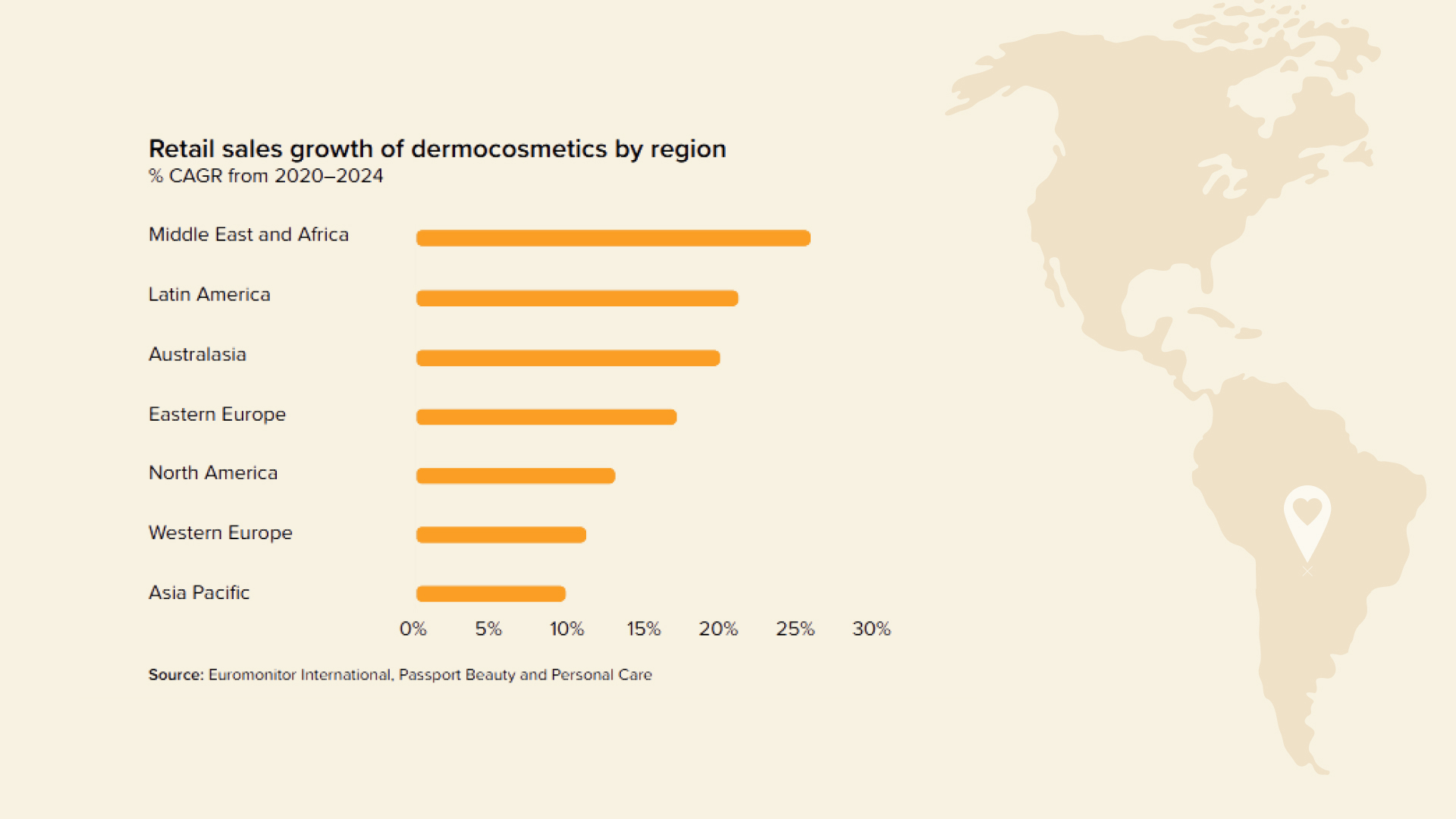
The over-the-counter (OTC) market, valued at $143 billion globally, is outperforming other pharmaceutical categories. This is driven by easier access to healthcare services. For example, virtual consultations often encourage immediate online purchases.
Brands should focus on portability and convenience by offering professional-grade products for at-home use.
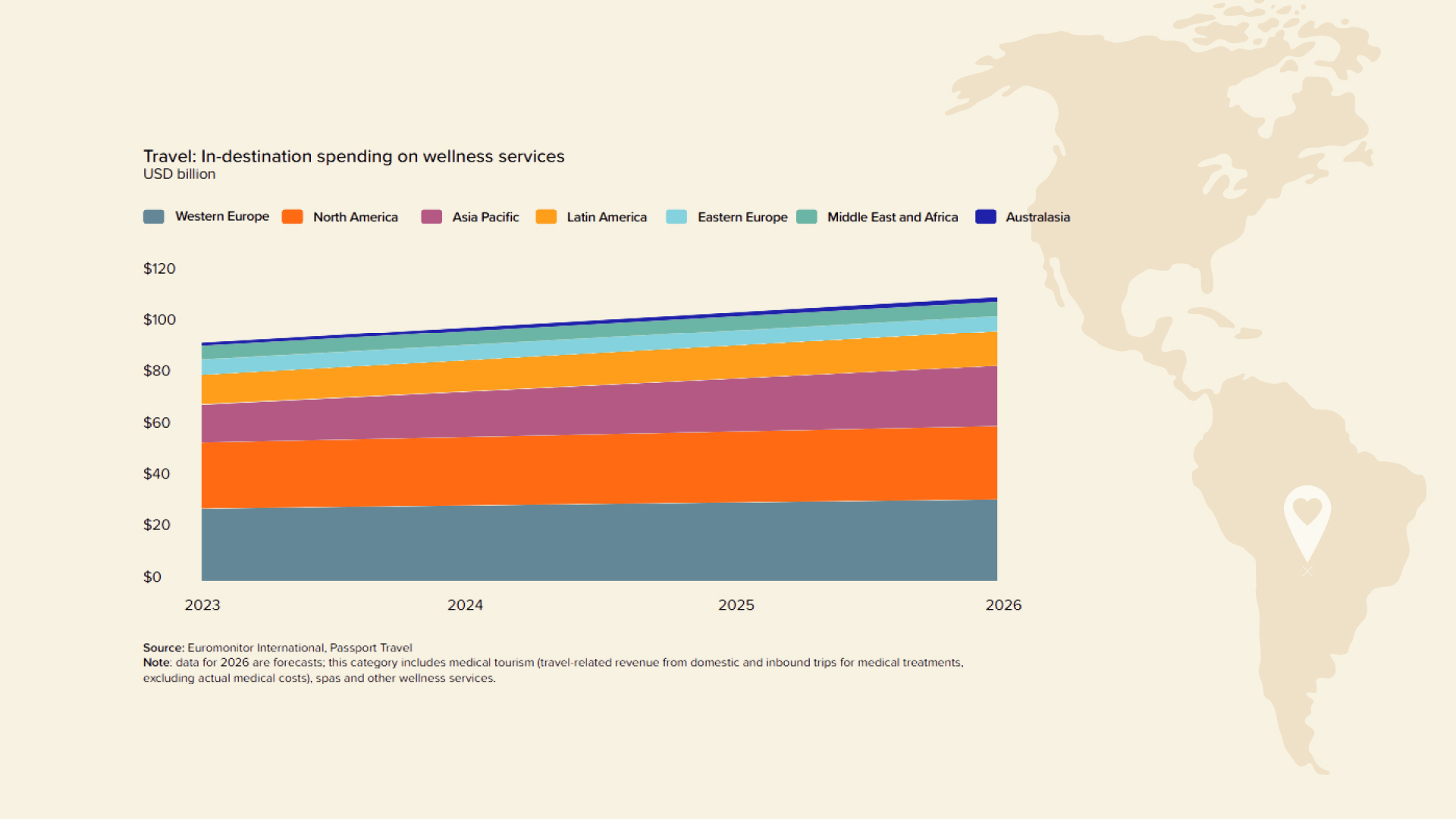
Spending on wellness travel—including spa tourism and medical tourism—is also increasing, further expanding the market for personalized health solutions.
№5. From environmental awareness to pragmatic choices
People are increasingly aware of the limits of their individual impact on the environment. The share of consumers who believe they can influence the world through their personal choices fell to 51% in 2025, down from 56% in 2024.
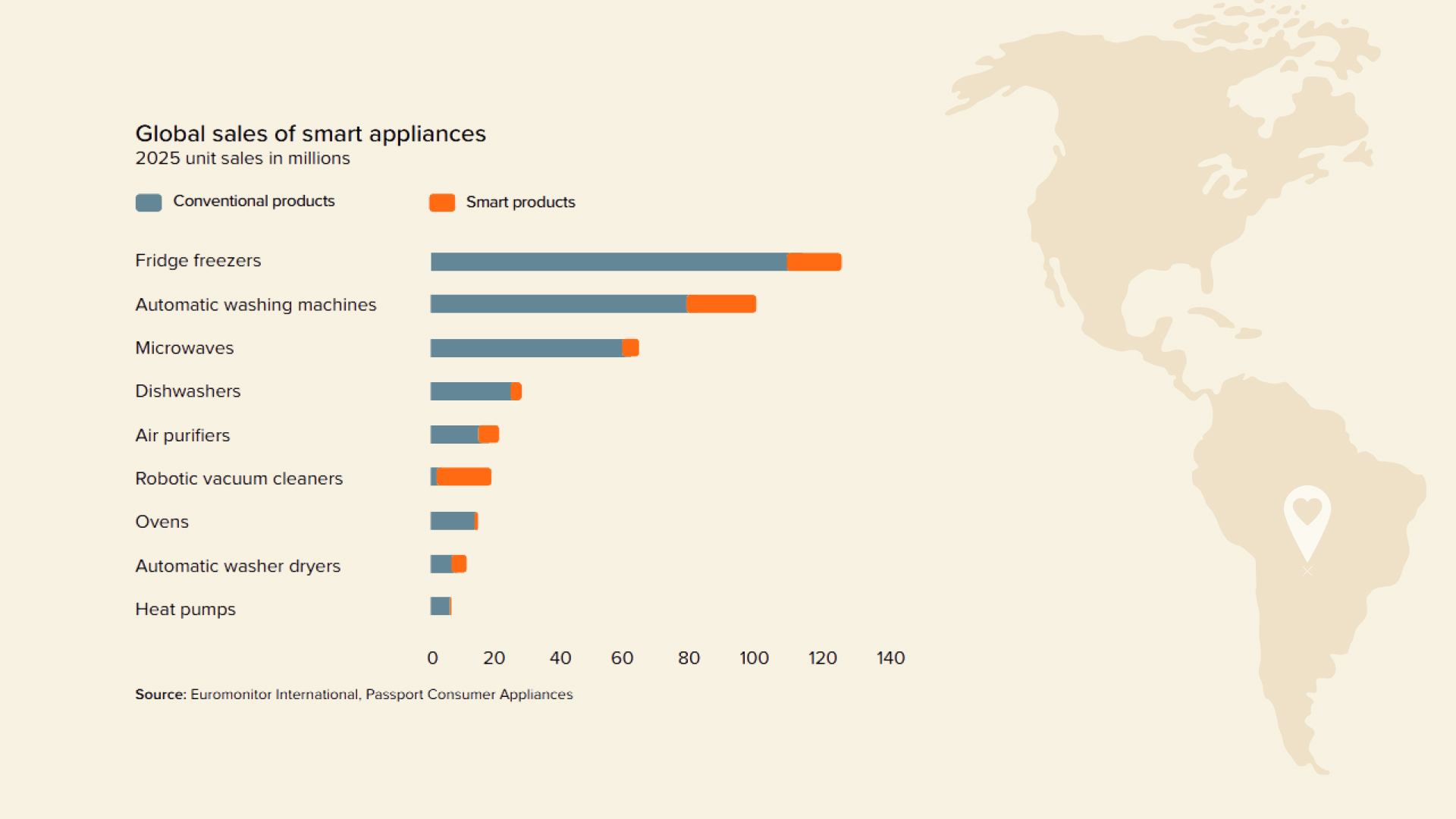
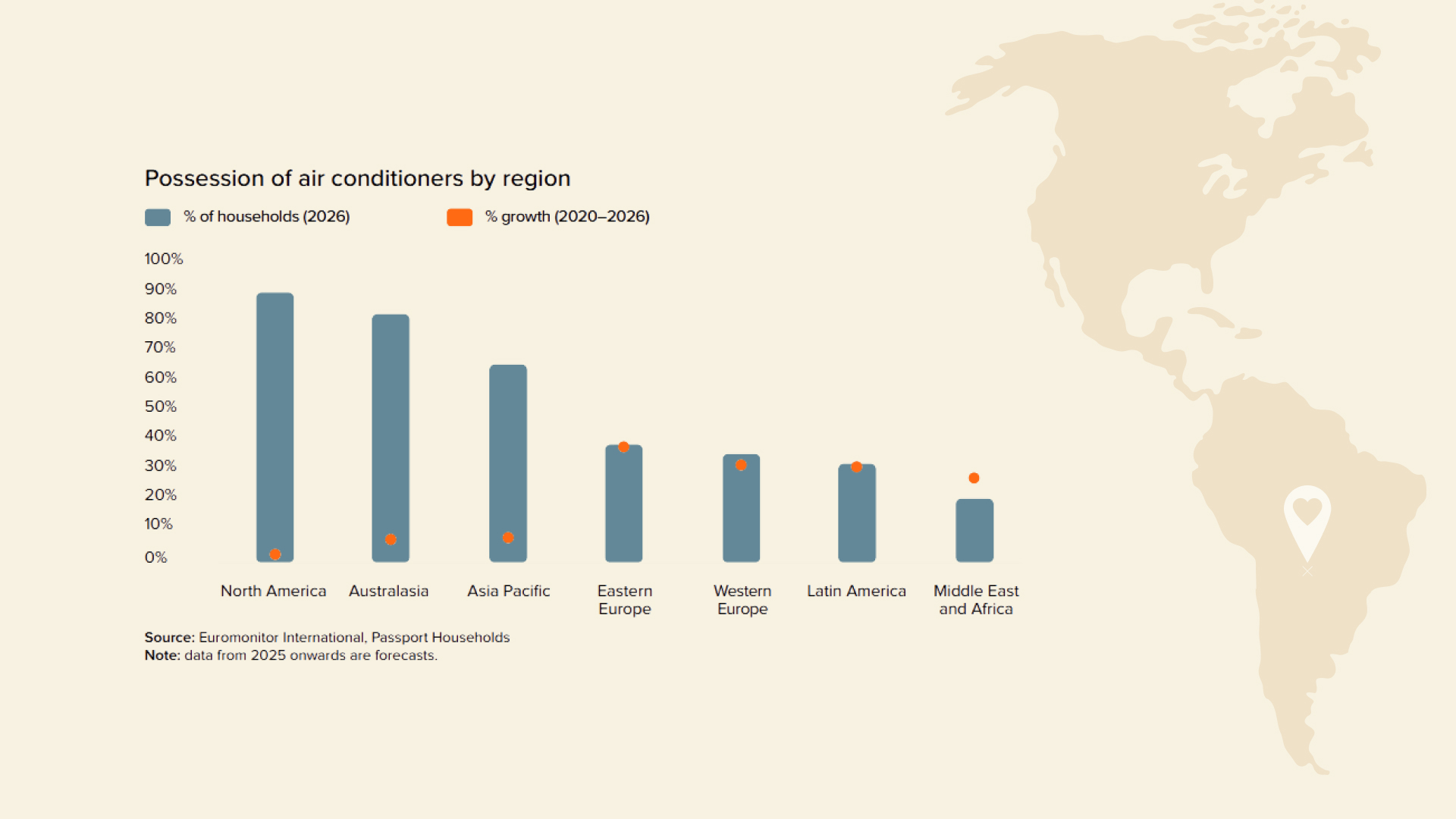
As a result, consumers are making more pragmatic purchasing decisions. For example, they are buying air conditioners to cope with climate change. The number of households owning such devices has doubled in Europe, Latin America, the Middle East, and Africa.
№6. Chinese manufacturers set new market standards
East Asian brands are defining new product benchmarks in terms of:
- Affordability
- Digital flexibility
- Cultural relevance
- Speed
- Personalization
In 2026, China is projected to export $4 trillion worth of goods and services globally. Chinese manufacturers are successfully entering new markets and adapting to local conditions.
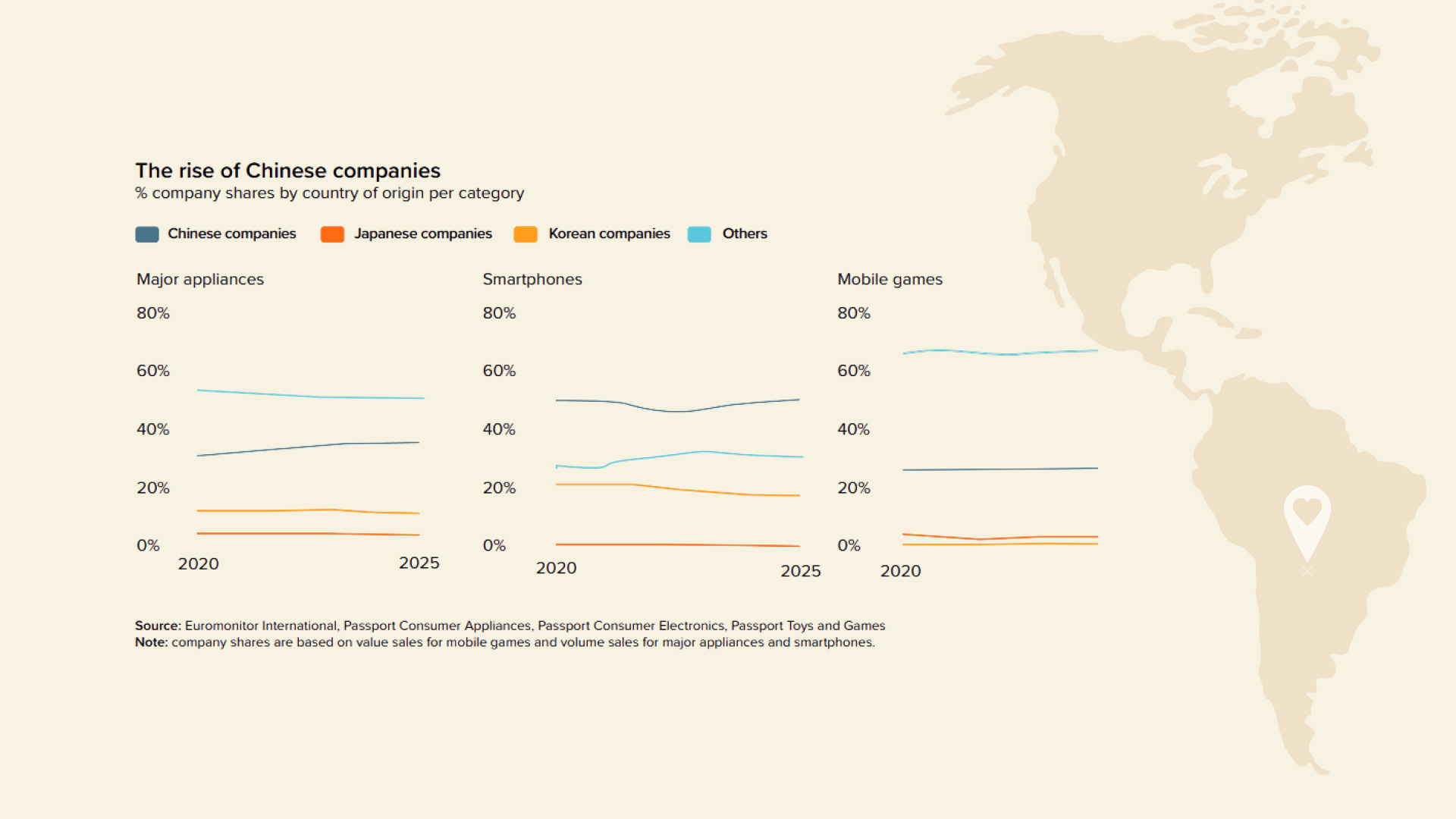
Chinese electric vehicles are a clear example of how these companies are reshaping price expectations. Even with export markups and tariffs, they remain more affordable than most Western competitors.
Chinese companies are expanding internationally by leveraging mobile-first marketing strategies and algorithm-driven personalization.
How Consumption in 2026 Is Shaping Brand Strategies: Key Recommendations
- Replace generic advertising messages with real-life use cases and tangible proof of quality. This shifts the focus from price to value.
- Integrate health and wellness into both the product and brand communication.
- Rely on local relevance—partner with nearby businesses and community leaders to build loyalty.
- Build campaigns around shared cultural memories, reinterpreted through a modern lens.
- Use macro-influencers to create transparent, authentic trust.
- Invest in mobile and e-commerce channels as the primary touchpoints with consumers.
As e-commerce and mobile consumption continue to grow, programmatic advertising is becoming a key channel for influencing purchasing decisions.
Today, smartphones are the main gateway to the internet, search, price comparison, and shopping. That’s why in-app advertising enables brands to capture not just reach, but real user attention.
Programmatic solutions allow brands to precisely target audiences based on interests, behavior, location, and devices while optimizing budgets. The BYYD mobile platform has deep expertise across multiple market segments—from fintech to retail. We take consumer behavior into account during developing every campaign.
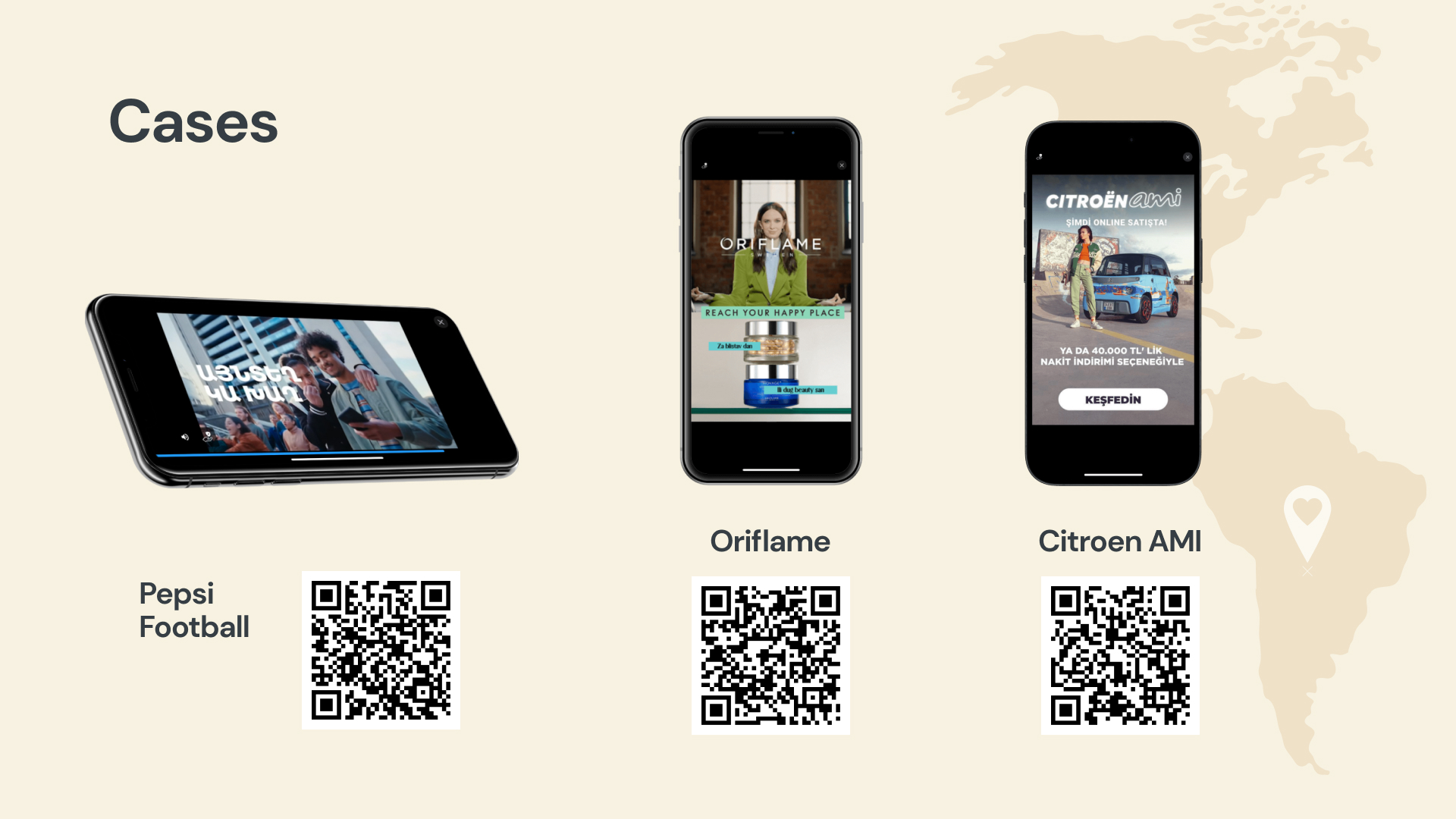
Check out our case studies and send us an email – let’s launch your next campaign together.
Found this helpful? Share it with your friends and colleagues!
For consultations and partnership inquiries:
- Submit a request on our website
- Email us at hello@byyd.me